 ARCADE
36 game mechanics explained
Game mechanics are the rules and actions that make a game a game. Here are 36 of the most useful ones, explained simply, with games you can play to see each one in action.
What is a game mechanic?
A game mechanic is something the player can do, or a rule that reacts to what they do: jumping, shooting, earning coins, unlocking a door, voting someone out. Mechanics are the building blocks of every game. A platformer is mostly jumping and timing, a tycoon is mostly earning and upgrading, and a social deduction game is mostly hidden roles and voting.
The best games do not use many mechanics. They pick a few that work well together and polish them. Use this list to find the right ones for your idea, then combine two or three into your core loop. Linked examples are free games made by creators on Arcade that you can play right now in your browser. The others are well known games.
🦘 Movement mechanics
How the player gets around. Movement is the first thing players feel, so it shapes the whole game. If moving feels bad in an empty room, it will feel worse in a hard level.
| Mechanic | What it does | Works best in | Example |
|---|---|---|---|
| 1. Jumping | Clear gaps, reach higher places and dodge danger. | Platformers, obbies | Obby VIP Rush |
| 2. Double jump and wall jump | Extra jumps in mid-air or off walls for more control and longer routes. | Platformers, parkour | Hollow Knight |
| 3. Dash | A short burst of speed to cross gaps or dodge attacks, often with a cooldown. | Action, platformers | Celeste |
| 4. Grappling hook | Hook onto a point or an enemy and pull yourself (or them) across the map. | Action, adventure | Blast Brawl |
| 5. Driving and drifting | Control a vehicle and slide around corners to keep your speed. | Racing, open world | Sugar Street Sprint |
| 6. Climbing | Climb walls, ropes and ledges, sometimes with a stamina bar that limits how long you hang on. | Obbies, adventure | Ninja Warrior |
⚔️ Combat mechanics
How players fight. Good combat is readable: you see your hits land and you understand why you got hit. Make sure enemies react to damage and can be defeated.
| Mechanic | What it does | Works best in | Example |
|---|---|---|---|
| 7. Melee attacks and combos | Close-range hits, chained into combos for more damage. | Action, RPG | Bladebound Arena |
| 8. Shooting and ammo | Aim, fire and manage limited ammo and reloads. | Shooters | Outpost Zero |
| 9. Cover | Hide behind objects to avoid damage, then pop out to strike back. | Shooters | Rivals |
| 10. Building in combat | Place walls and ramps mid-fight for protection or height. | Battle royale | Stormbreak |
| 11. Waves | Enemies come in rounds that get harder each time. | Survival, shooters | Sky Squadron |
| 12. Boss fights | A big enemy with patterns, phases and a weak point. | Action, RPG | Pumpkin Havoc |
| 13. Stealth | Avoid being seen or heard instead of fighting. | Horror, stealth | Candy Thief |
📈 Progression mechanics
How players grow. Progression gives players a reason to keep playing and to come back tomorrow.
| Mechanic | What it does | Works best in | Example |
|---|---|---|---|
| 14. Levels and experience | Earn experience points to level up and get stronger. | RPG | Pokémon |
| 15. Upgrades | Spend resources to improve tools, speed or income. | Tycoon, shooters | The Fright Factory |
| 16. Skill trees | Choose which abilities to unlock and build your own play style. | RPG, action | Skyrim |
| 17. Unlockable areas | New zones open as you get new abilities or progress. | Adventure, tycoon | Metroid Dread |
| 18. Collectibles | Items to find and complete, from stars to rare treats. | Platformers, adventure | Trick or Treat |
| 19. Best times and leaderboards | Compare scores and beat your own record. | Obbies, racing | Obby |
💰 Economy mechanics
How resources flow. Economy mechanics turn a world into a system players can learn and master.
| Mechanic | What it does | Works best in | Example |
|---|---|---|---|
| 20. Currency and shops | Earn coins and spend them on items, staff or decorations. | Tycoon, most genres | Monster Café Tycoon |
| 21. Idle income | Money that keeps coming in while you do other things. | Clickers, tycoons | Cookie Clicker |
| 22. Crafting | Combine resources into tools, food or buildings. | Survival, sandbox | Blocklight |
| 23. Resource gathering | Collect wood, stone, food or scrap from the world. | Survival, building | Bloc & Refuge |
| 24. Hunger, health and warmth | Survival bars that drain over time and must be refilled. | Survival | Don't Starve |
| 25. Trading | Exchange items with NPCs or other players. | Adventure, life sims | Animal Crossing |
🧩 Puzzle mechanics
How players think. Puzzle mechanics reward observation and logic, and create the "aha!" moment players remember.
| Mechanic | What it does | Works best in | Example |
|---|---|---|---|
| 26. Keys and locked doors | Find the right key or code to open the way. | Escape rooms, horror | Scream to Survive |
| 27. Pressure plates and switches | Step on or flip something to change the level. | Puzzle, adventure | Portal |
| 28. Hidden clues | Information hidden in the world, the sounds or the dialogue. | Escape rooms, mystery | Bunker Signal: 161.80 |
| 29. Light and darkness | A light that keeps danger away or shows the path, and slowly runs out. | Horror, adventure | The Lantern Keeper |
| 30. Timers | Solve or reach something before time runs out. | Escape rooms, obbies | +1 Keyboard Escape |
| 31. Sorting and matching | Put things in the right place, by color, shape or category. | Puzzle, cozy | Tidy Library |
👥 Social mechanics
How players interact. Social mechanics turn a game into a shared story friends talk about afterwards.
| Mechanic | What it does | Works best in | Example |
|---|---|---|---|
| 32. Teams | Players group up against other groups, or play alongside teammates. | Sports, shooters | Five-a-Side Rush |
| 33. Hidden roles | Some players secretly work against the group. | Social deduction | Among Us |
| 34. Voting | Players decide together, often who to eliminate. | Party, social deduction | Werewolf |
| 35. One versus all | One player hunts, everyone else survives. | Horror, party | Dead by Daylight |
| 36. Co-op objectives | Everyone works toward one shared goal. | Party, survival | Overcooked |
🎮 Mechanics by genre
Not sure where to start? Here is a simple recipe for each popular genre: one core mechanic, one mechanic that supports it, and one twist idea to make your game different.
| Genre | Core mechanic | Support | Twist idea |
|---|---|---|---|
| Obby | Jumping | Checkpoints and best times | The course changes color every 10 seconds |
| Horror | Stealth | Keys and a light that runs out | The monster only moves when you look away |
| Tycoon | Currency and shops | Upgrades | Your customers are ghosts who only come at night |
| Shooter | Shooting and ammo | Waves | Every enemy you defeat becomes a wall you can use |
| Survival | Resource gathering | Crafting and hunger | The island shrinks a little every night |
| Racing | Driving and drifting | Timers and best times | Drifting fills a boost bar you can share with a friend |
| RPG | Levels and experience | Quests and a boss fight | You level up by helping villagers, not by fighting |
| Escape room | Hidden clues | Keys and a timer | Every clue is hidden in a sound, not an object |
How to choose mechanics for your game
Start from the feeling you want players to have, then pick the smallest set of mechanics that creates it. Four steps are enough:
Start from the feeling
Scared? Clever? Powerful? Pick mechanics that create that feeling.
Pick one core mechanic
The action players do most. Make it feel great first.
Add one support mechanic
Something that gives the core a purpose: upgrades, a timer, enemies.
Add one twist
An unexpected rule that makes your game memorable.
For example, a horror game might use stealth as its core mechanic, a timer as support (survive until sunrise) and a twist like "the monster only moves when you are not looking". A tycoon might use currency and shops as its core, upgrades as support and a twist like "customers are ghosts who only come at night".
Whatever you pick, make sure the main mechanic actually works before adding more. A game where you cannot hit the enemy, the car does not move or the button does not respond loses players in seconds, no matter how many other features it has. Show the goal and the controls on screen when the game starts, so players know which mechanics to use.
Describe your mechanics, then build them
On Arcade you do not code mechanics, you describe them to Morph, Arcade's building assistant, and test them right away. The clearer you are about the core mechanic, the support and the twist, the better your first version. Here is an example. Roll another one, or copy it and change the details.
Make a horror game in an old museum at night. Core mechanic: stealth, the player hides behind display cases from a living statue. Support: the player needs 3 keys to open the exit and has a flashlight that slowly runs out of battery. Twist: the statue only moves when the player is not looking at it. Show the goal and the controls on screen when the game starts.
Paste it and build on ArcadeSee these mechanics in action
Free games made on Arcade, each built around a few clear mechanics. Click one to play it in your browser.

Jump through colorful obstacle courses, reach checkpoints and collect wins. Earn 10 wins to unlock a golden VIP glow and badge.
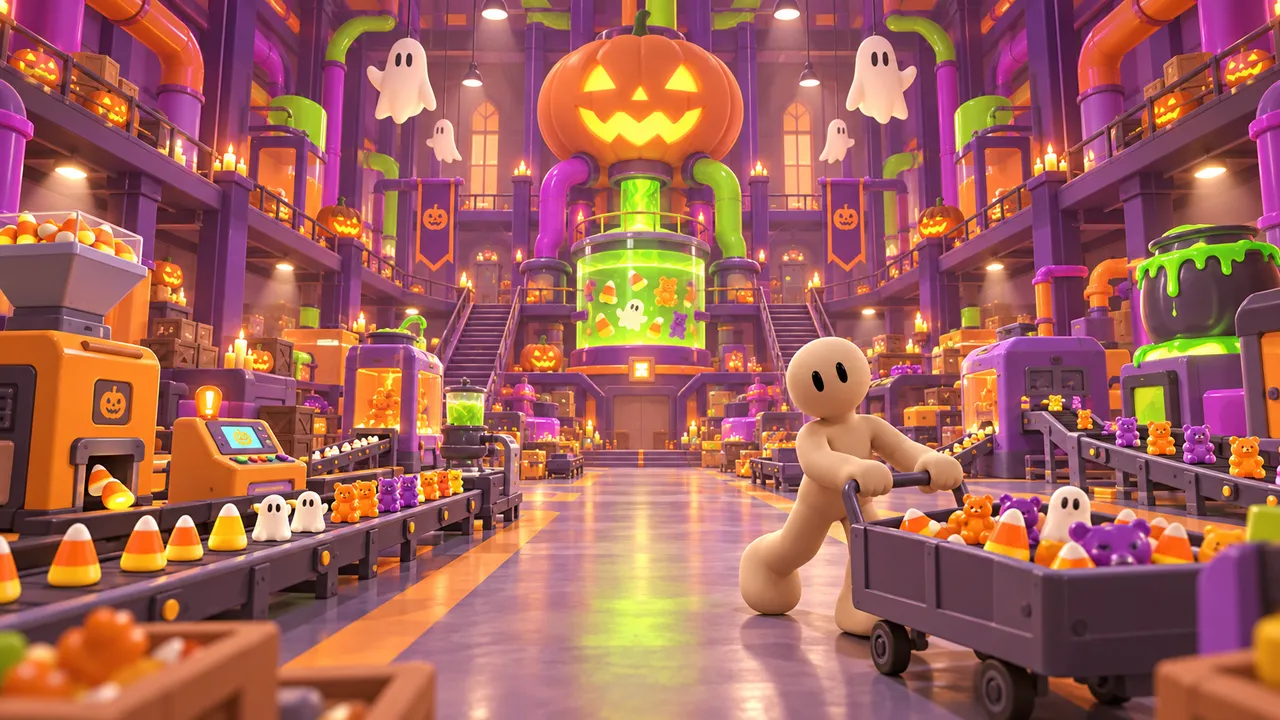
Produce Halloween candy, fuse it to discover rare mutations and grow a small workshop into a monstrous candy factory.
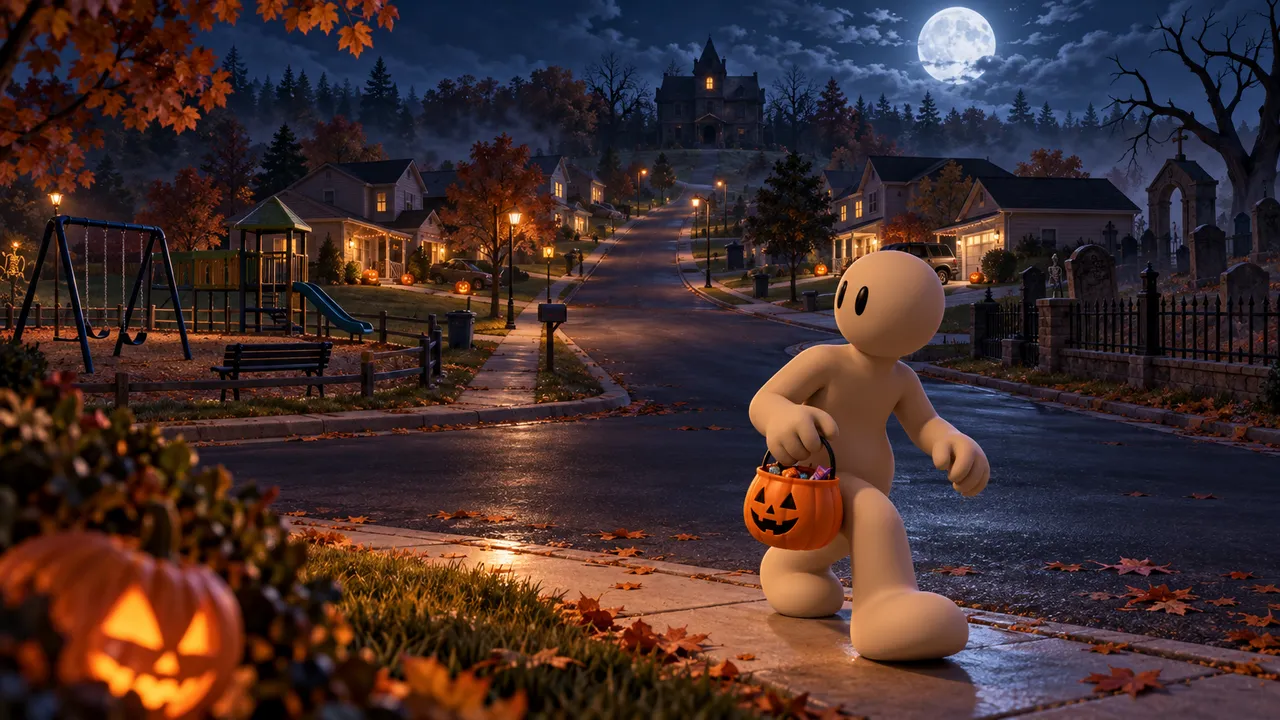
Halloween night turns into a race against midnight: ring doorbells, follow eerie whispers and get home in time.
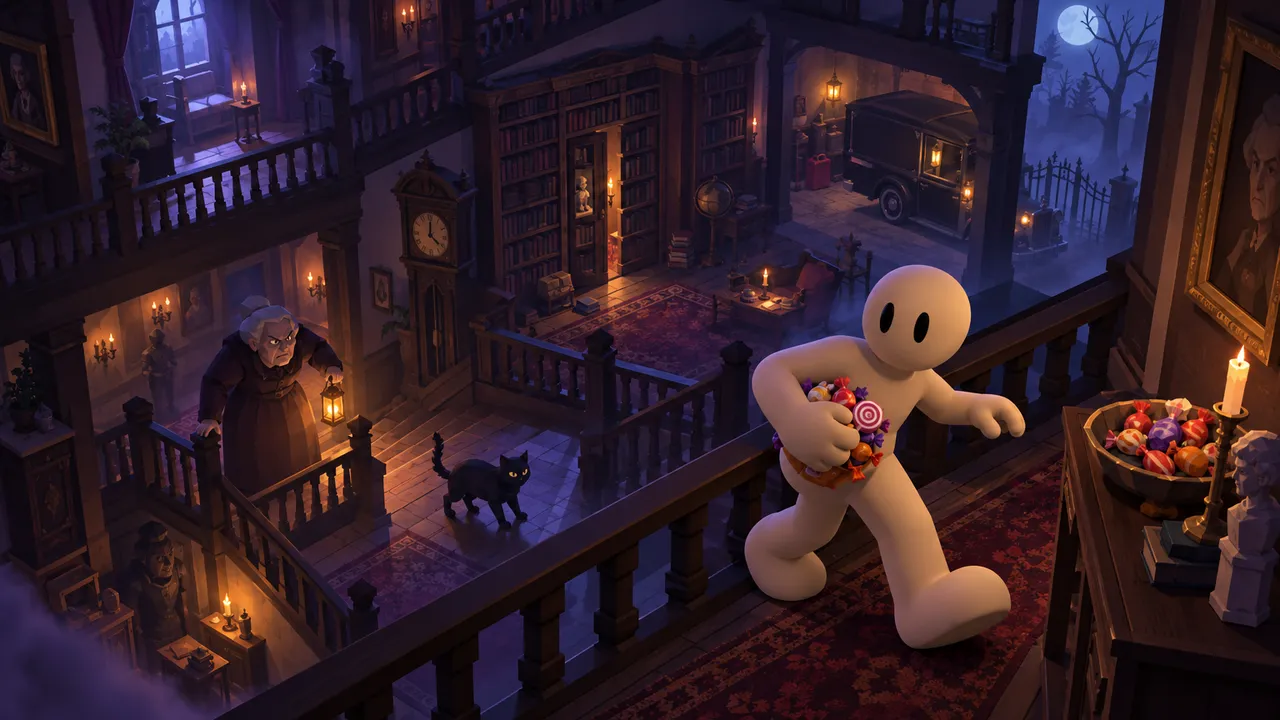
Locked upstairs in Grandma Hollow's creaky house, pick the locks and find a way out with your candy.
Put these mechanics in your game
On Arcade, describe the mechanics you want and build your game in your browser. No coding, no downloads. Arcade is free.
Create your gameFAQ
What are game mechanics?
Game mechanics are the actions players can take and the rules that respond to them, like jumping, shooting, collecting, upgrading or voting.
What is the difference between a mechanic and a genre?
A genre is a type of game (platformer, tycoon, horror). A genre is usually defined by a typical set of mechanics, but you can mix mechanics from different genres to create something new.
How many mechanics should a game have?
For a first game, one core mechanic, one supporting mechanic and one twist is plenty. Polish beats quantity.
What is a core loop?
The core loop is the cycle players repeat: for example, gather resources, craft tools, survive the night, repeat. It is built from your main mechanics.
What is the difference between game mechanics and game dynamics?
Mechanics are the rules you design (a jump, a timer, a shop). Dynamics are what happens when players use them: racing for the best time, saving coins for a big upgrade, betraying a teammate.
Can I make a game with these mechanics without coding?
Yes. On Arcade you describe the mechanics you want to Morph, Arcade's building assistant, and test them right away in your browser.