 ARCADE
Random Dungeon Generator
Pick a theme and a size. You get a map with numbered rooms and a key that says what waits inside each one: monsters, traps, treasure, a secret room and a boss at the far end.
Each map is built in three passes. Rooms are scattered without touching, corridors join each room to its nearest neighbor so everything can be reached, and the room deepest from the entrance gets the boss. A dead-end room becomes the secret room, behind a dashed passage. Five themes, with eight or more descriptions for every kind of room, keep each dungeon different.
How to read your dungeon
🚪 Entrance
Room 1, outlined in green. Players start here, and it is the safe way back.
👹 Monsters
A fight, or a group to sneak past. Spread them out so there is a rest between battles.
⚠️ Traps
A danger that rewards careful players. Always leave a clue that a trap is there.
💎 Treasure
The reward for exploring. Put the best loot just off the main path.
🗝️ Secret room
The dashed passage. Only curious players find it, and they will talk about it.
💀 Boss
Outlined in red, always the room farthest from the entrance.
Dungeon design tips that make the map play well
Make the boss far, but not hidden
Players should feel the boss room coming: a locked door they pass early, a roar through the walls, bigger monsters as they go deeper. The generator already puts the boss at the end of the longest chain of corridors. Your job is to tease it.
Alternate tension and calm
Read the key in the order players will walk it, not in number order. If two fights come back to back, swap one with a quiet room or a treasure. A dungeon that is all fights is tiring. A dungeon with no fights is a museum.
Loops beat dead ends
Medium and large maps usually have a corridor or two that form a loop. Loops let players escape a fight, take a shortcut back or sneak around a monster. If your map is one long line, add a loop yourself between two rooms that sit close together.
One room people remember
Pick one room in the key and make it special: a flooded hall, a room with no gravity, a ballroom of frozen dancers. People forget corridors. They remember that one room.
Use it at the table or in a game
At the table, print the map or save it as an image, read the key as players move and improvise the rest. For a video game, the map is your level plan: the rooms, the order and the danger are already decided. On Arcade you can build it room by room with Morph, the AI buddy you chat with:
Describe the place
"A sunken temple of stone halls, with water on the floor and coral on the walls."
Go room by room
Follow your key: crab knights in room 2, a flooding trap in room 4, a pearl in room 5.
Add the boss
Give it one attack players can learn to dodge, and a weak point.
Walk it and share it
Play through, tune the fights, then publish it and share it with the world.
Dungeon crawls and adventures made on Arcade
Caves, crypts and dark corridors built by the community. Pick one and explore it in your browser.
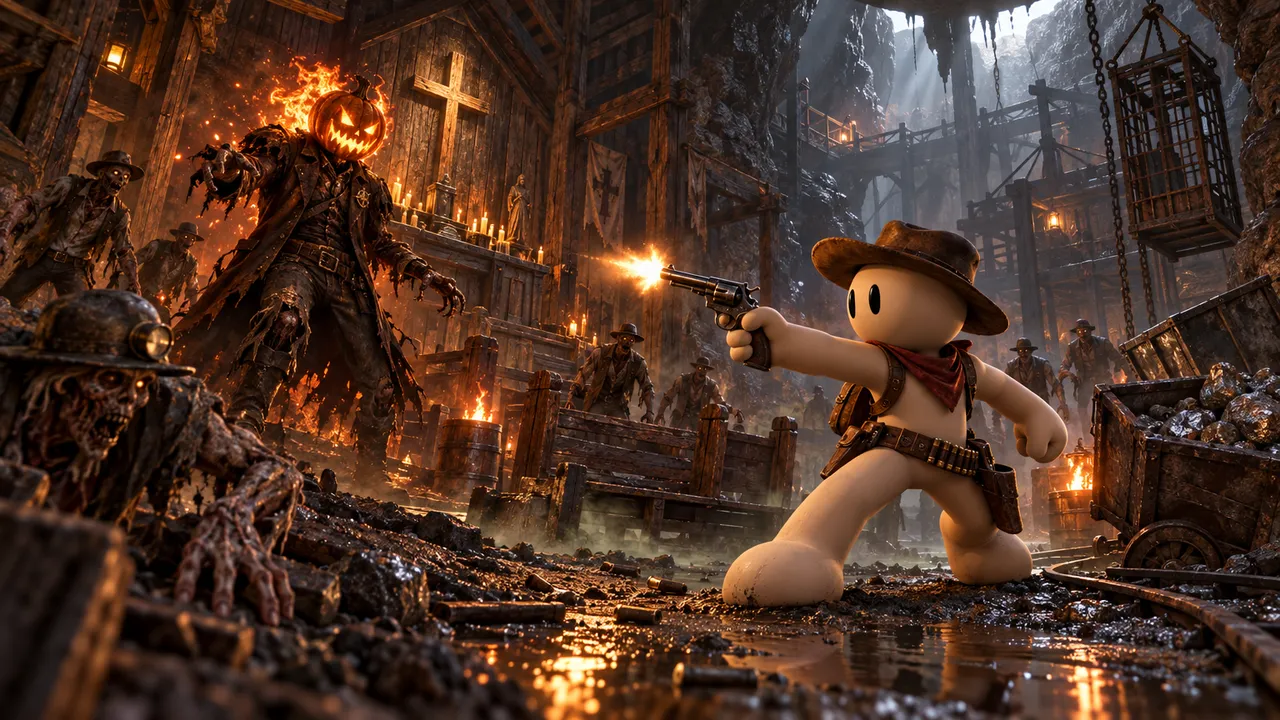
1887. Trapped in the cursed Widow's Silver Mine, a lone prospector survives one horror after another to destroy the undead outlaw Black Jack Mortimer.
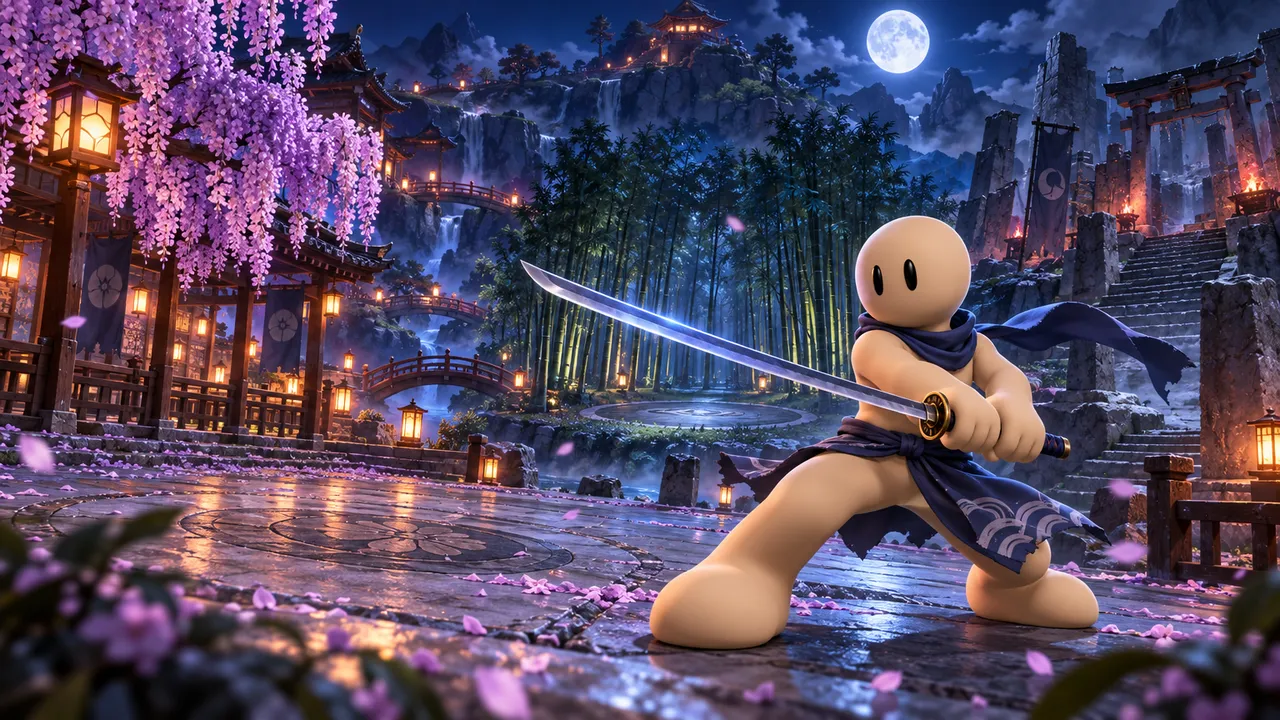
Choose an elemental sword style and battle rival hunters across three arenas. Chain strikes, guard, dash and unleash special moves.
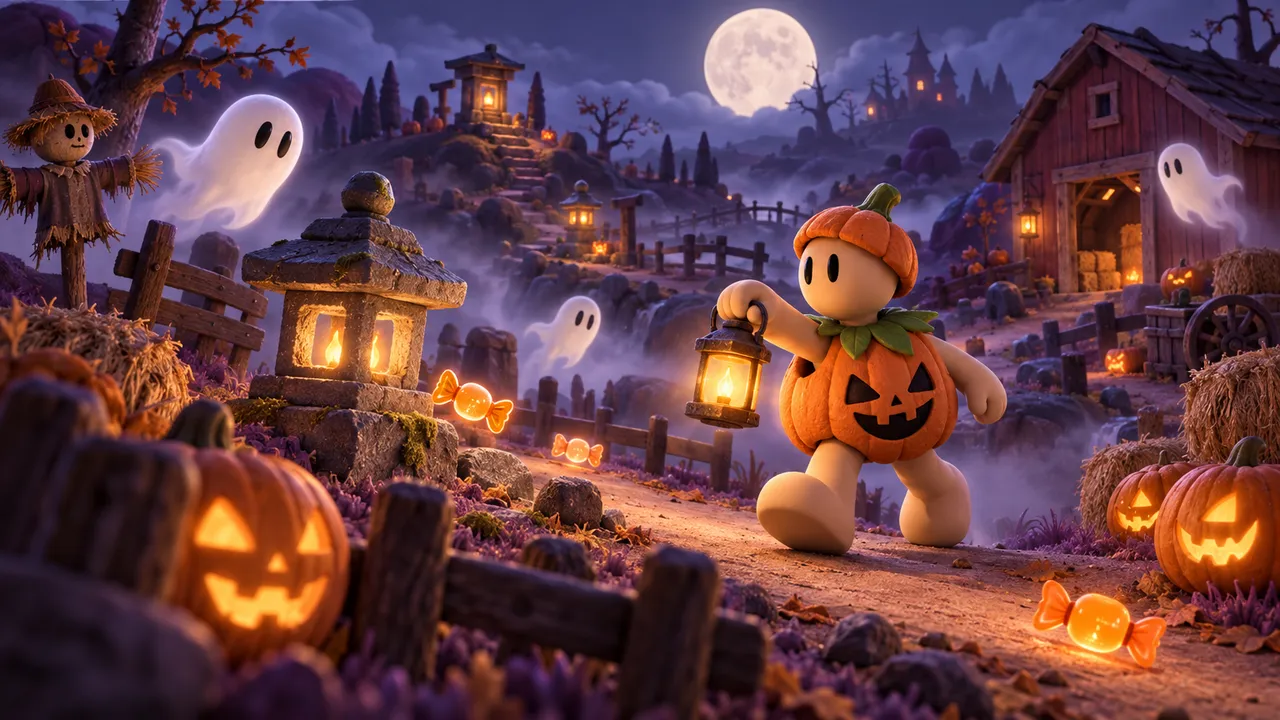
A witch has cursed the village. Guide a little pumpkin hero whose fading lantern is the only weapon.
Explore three levels of a cold, abandoned maze and find the three keys that open the exit.
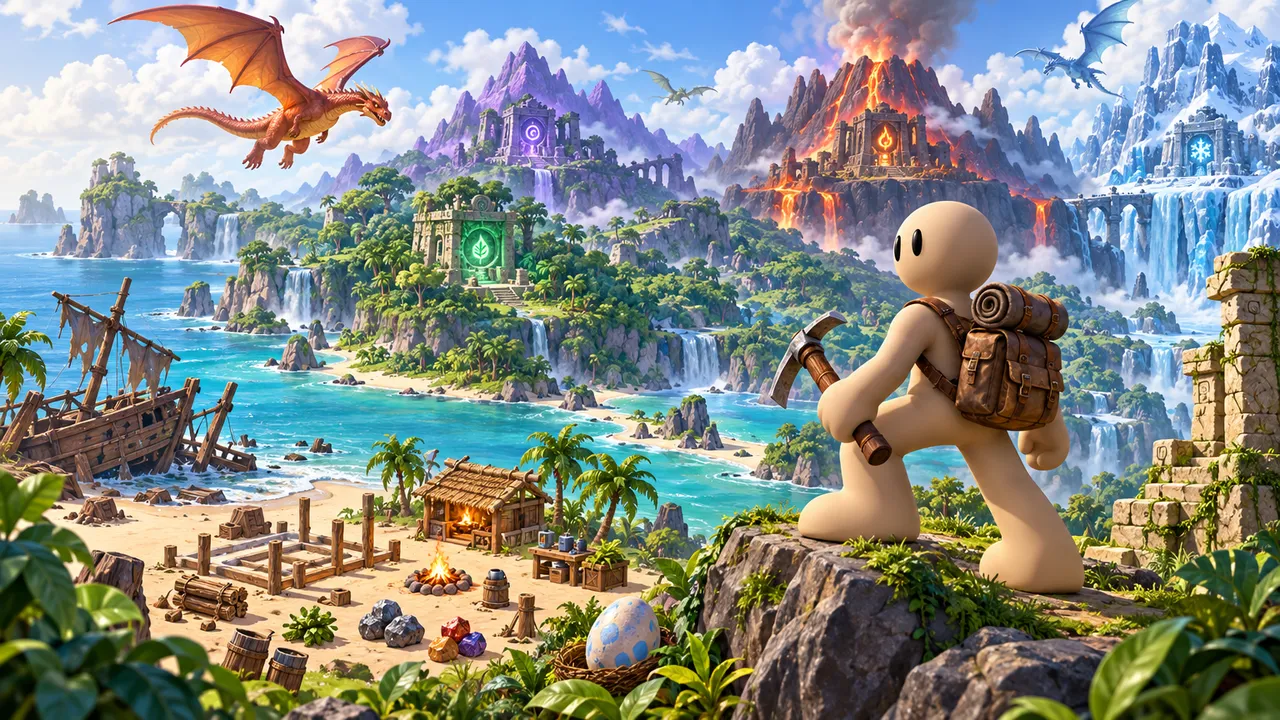
Explore five wild island biomes, gather resources and craft a base. Befriend elemental dragons and restore ancient temples.
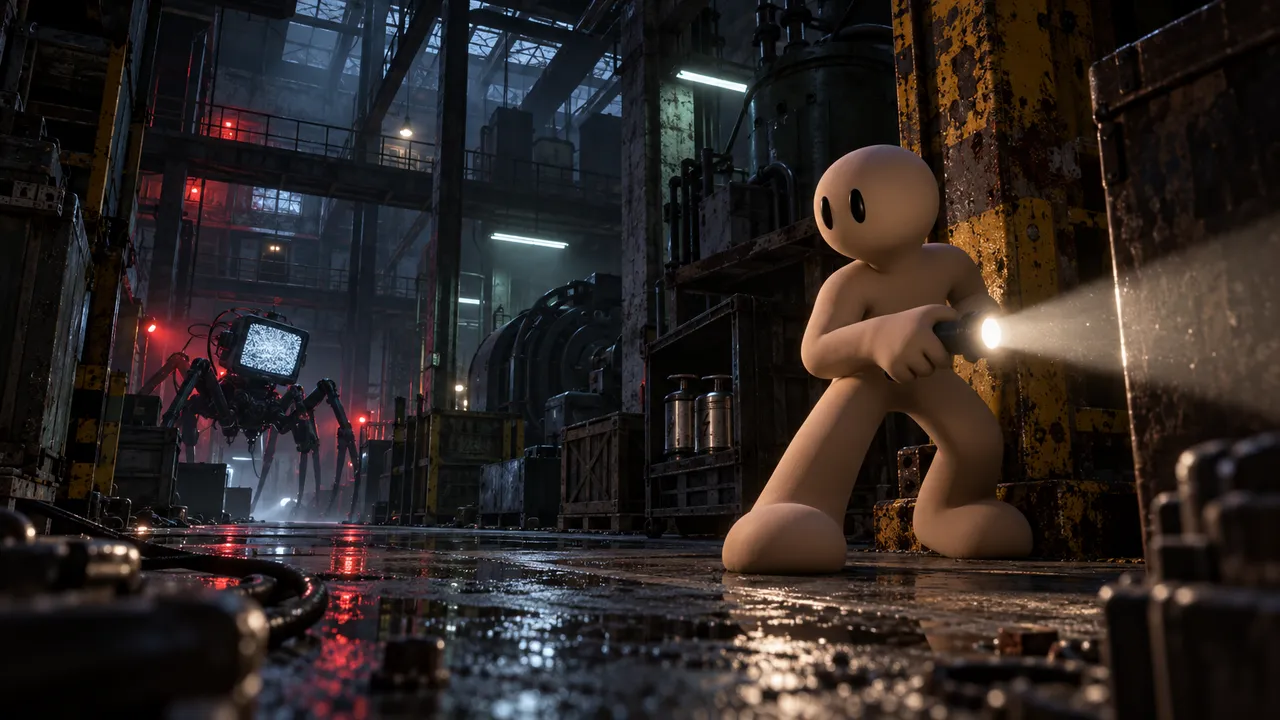
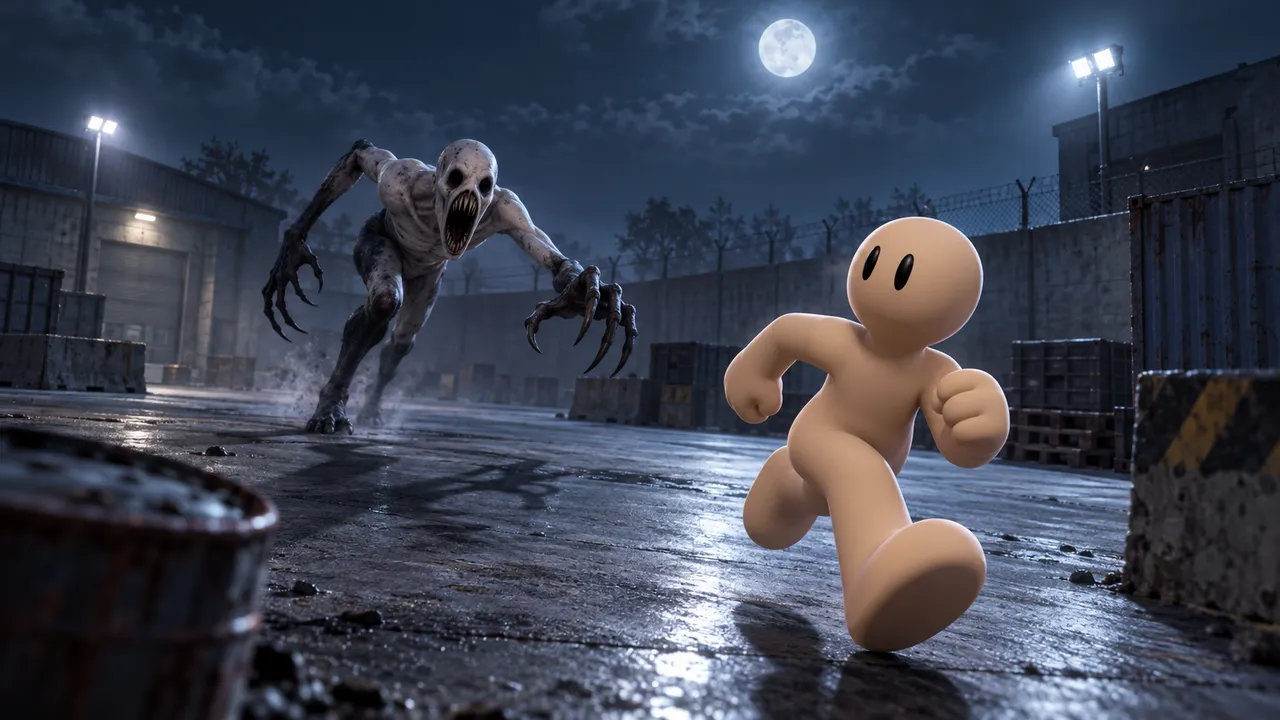
Find three fuses and escape an abandoned factory while a TV spider tracks you. Stay quiet and out of sight.
Walk through your dungeon
Turn your map into a dungeon you can explore. Describe the rooms to Morph, try the first version, then add traps and tougher monsters as you go. Free, and no code needed.
Build my dungeonFAQ
Is the dungeon generator free?
Yes. Make as many dungeons as you like and save any map as a PNG image. No account needed.
Can I use these maps for D&D or other tabletop games?
Yes. The map and the key work with any tabletop role-playing game. Each square on the grid can be 5 feet, or whatever your rules use.
Why is the boss always far from the entrance?
The generator puts the boss in the room that takes the most corridors to reach from room 1. That way players cross most of the dungeon before the final fight.
What is the dashed corridor?
The secret passage to the secret room. In a game, hide it behind a fake wall, a bookshelf or a crack only curious players will check.
Can I make a playable dungeon game from my map?
Yes. On Arcade you tell Morph about your dungeon room by room and explore it in your browser. Need more monsters, a nastier trap or a bigger boss? Ask in the chat and Morph updates the game.
Which size should I choose?
Small for a one-evening adventure or a first game level, medium for a full session, large for a big final dungeon.