 ARCADE
How to make an RPG
Heroes, quests, monsters and loot. An RPG is one of the most rewarding games to make, and you do not need to code to build your first one.
RPGs (role-playing games) let players become someone else: a knight, a mage, a monster hunter. They grow stronger, explore a world and make choices that matter. That is why they are so loved, and why they can feel overwhelming to make. Big RPGs take studios years.
The secret is to start small: one village, one dungeon, one boss. A tiny RPG that people actually finish beats a huge one that never gets done. This guide shows you how to build a complete little RPG on Arcade, without code, then grow it over time.
What makes a great RPG game
Every RPG, from tiny to huge, is built on the same four pillars. If one is missing, the game stops feeling like an RPG.
🧙 A hero to grow
Levels, skills or gear that make the player feel stronger over time.
📜 Quests
Clear tasks that send the player somewhere new and reward them.
⚔️ Combat or challenges
Fights, puzzles or choices that test what the player learned.
🗺️ A world to explore
Places worth visiting, NPCs to meet and secrets to find.
How to make an RPG game, step by step
Here is how to build a small but complete RPG, in the order that saves you the most time.
Write a one-line story
Who, where, what threat.
Build one small world
A village, a forest, a dungeon.
Create the hero and NPCs
Who you play, who you meet.
Add quests
3 to 5 quests that lead to the boss.
Design combat and progression
Enemies, damage, upgrades.
Finish with a boss
A memorable final fight.
1. Write a one-line story
"A young mage must stop a frost dragon that froze her village." One sentence gives you the hero, the world and the final boss. Everything else in your game supports it.
Keep the story simple enough to explain in the first 10 seconds of the game. Players do not read long intros, so show the threat instead: a frozen village says more than a page of text.
2. Build one small world
Three areas are enough for a first RPG: a safe hub (the village), a place to explore and fight (the forest) and a final challenge (the dungeon). Describe them to Morph, Arcade's building assistant, then shape them until each area feels different: new colors, new music, new enemies.
Connect the areas with a clear path, and block the dungeon until the player is ready. A locked gate, a broken bridge or a guard who says "come back stronger" all work.
3. Create the hero and NPCs
Give the player a clear role and a few NPCs with a purpose: a quest giver, a shopkeeper, a rival, someone who needs saving. Three or four NPCs with a real reason to exist beat twenty who only say hello.
Short dialogue works best. One or two lines per NPC, and always end with what the player should do next. If you need names, the character name generator has heroes, NPCs and sidekicks.
4. Add quests
Each quest should send the player somewhere new and give a reward: an item, a skill, coins or access to a new area. Chain them so they build toward the final fight.
Mix quest types so they do not feel the same: defeat 5 wolves, find a lost item, escort an NPC, collect 3 herbs, talk to someone in another area. Always show the current quest on screen.
5. Design combat and progression
Make sure enemies react when they are hit and can be defeated, show a health bar, and give each enemy type one clear behavior: wolves rush you, archers keep their distance, slimes split in two.
Then let the player get stronger after each quest: more health, a stronger attack, a new spell, better gear from the shop. Players should feel the difference between minute one and the final fight.
6. Finish with a boss
Give your boss a signature attack, a weak point and two phases: halfway through the fight, it gets angry and changes its pattern. That one twist makes a boss memorable.
Put a checkpoint right before the boss so a loss costs seconds, not the whole game. The villain name generator can help you find a name and a motive.
How to plan your quests
Quests are the backbone of an RPG. A good first RPG has a short chain of main quests and one or two optional ones. Here is a simple plan you can copy and adapt:
| Quest | Where | Task | Reward |
|---|---|---|---|
| 1. The first job | Village | Talk to 3 villagers about the threat | A basic sword |
| 2. Into the forest | Forest | Defeat 5 wolves near the road | Coins and more health |
| 3. The lost map | Forest | Find the map in an old camp | The dungeon is unlocked |
| 4. Gear up | Village shop | Buy armor or a new spell | Ready for the boss |
| 5. The final fight | Dungeon | Defeat the boss | The ending |
Notice the rhythm: talk, fight, explore, upgrade, fight. Alternating types of quests keeps players curious, and every reward is something they use right away.
Start with a ready-made idea
Not sure how to begin? Here is a starting idea for an RPG. Not your style? Roll another one. Copy it, paste it in Arcade and you will have a first playable version to shape. Then change the details to make it truly yours.
Make an RPG called "Frostfall". The player is a young mage in a snowy village frozen by a dragon. Create 3 areas: the village (safe, with a quest giver and a shop), the frozen forest (wolves to fight, herbs to collect) and the ice cave (the dragon boss). Add 3 quests that lead to the boss, a health bar, coins from defeated enemies and a fire spell that gets stronger after each quest. Show the current quest, the goal and the controls on screen when the game starts.
Paste it and build on ArcadeRPG game ideas to start from
- The Last Lighthouse: Relight five lighthouses to drive away the sea monsters.
- Monster Tamer: Befriend creatures instead of fighting them, and build a team.
- Desert Caravan: Escort merchants across the dunes and choose which offers to trust.
- Clockwork Knight: A robot knight looks for the inventor who built him.
- Village of Curses: Each villager has a curse. Lift them all to reveal the witch.
- Haunted Academy: Learn a new spell in each classroom to defeat the ghost headmaster.
Want more? The game idea generator writes a full concept and prompt in one click, and our list of 100 video game ideas has more adventures.
Games with RPG ingredients made on Arcade
Arenas, bosses, upgrades and quests, made by creators like you. Click one to play it free in your browser.
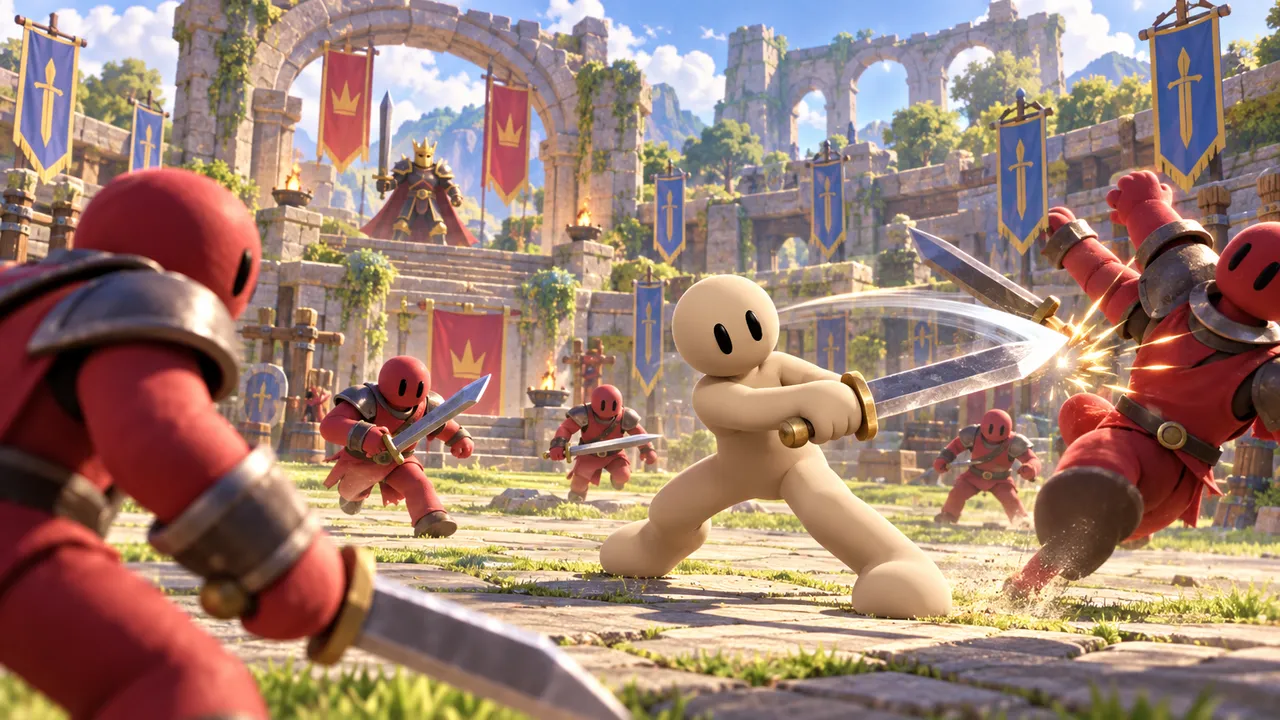
Slash through rival swordsmen, grow stronger with every win and challenge the arena champion.
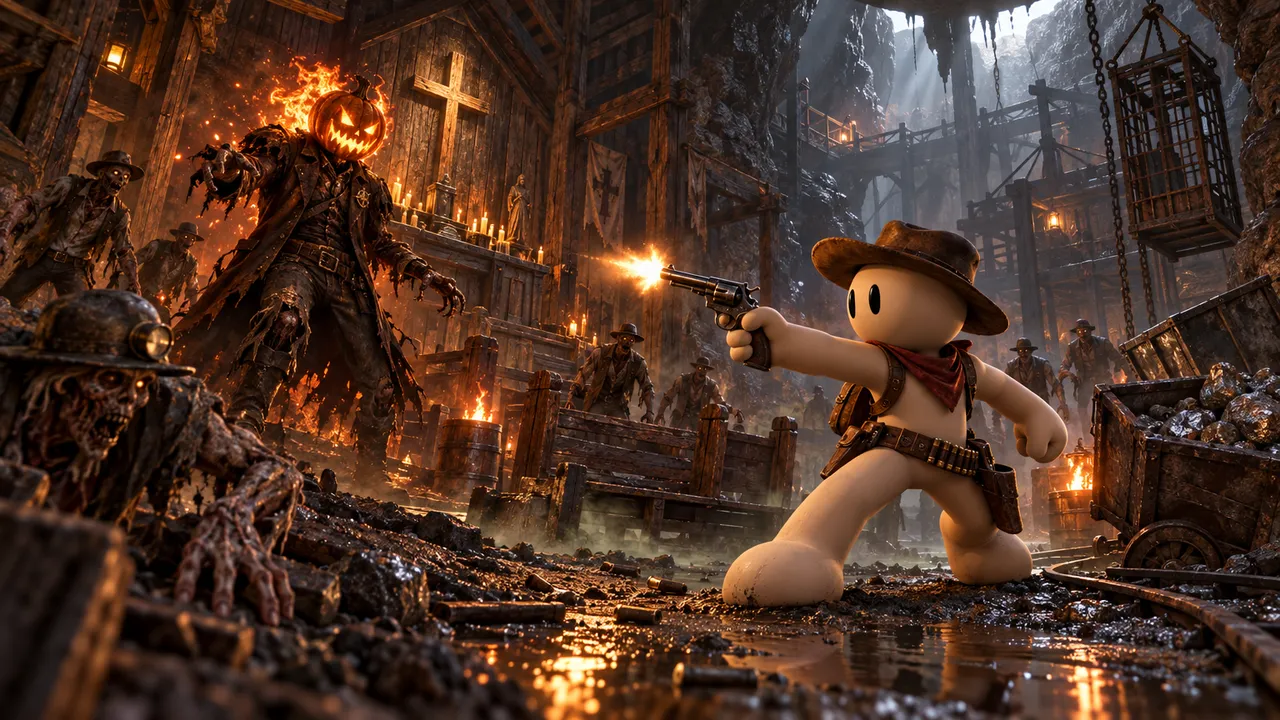
1887. Trapped in the cursed Widow's Silver Mine, a lone prospector survives one horror after another to destroy the undead outlaw Black Jack Mortimer.
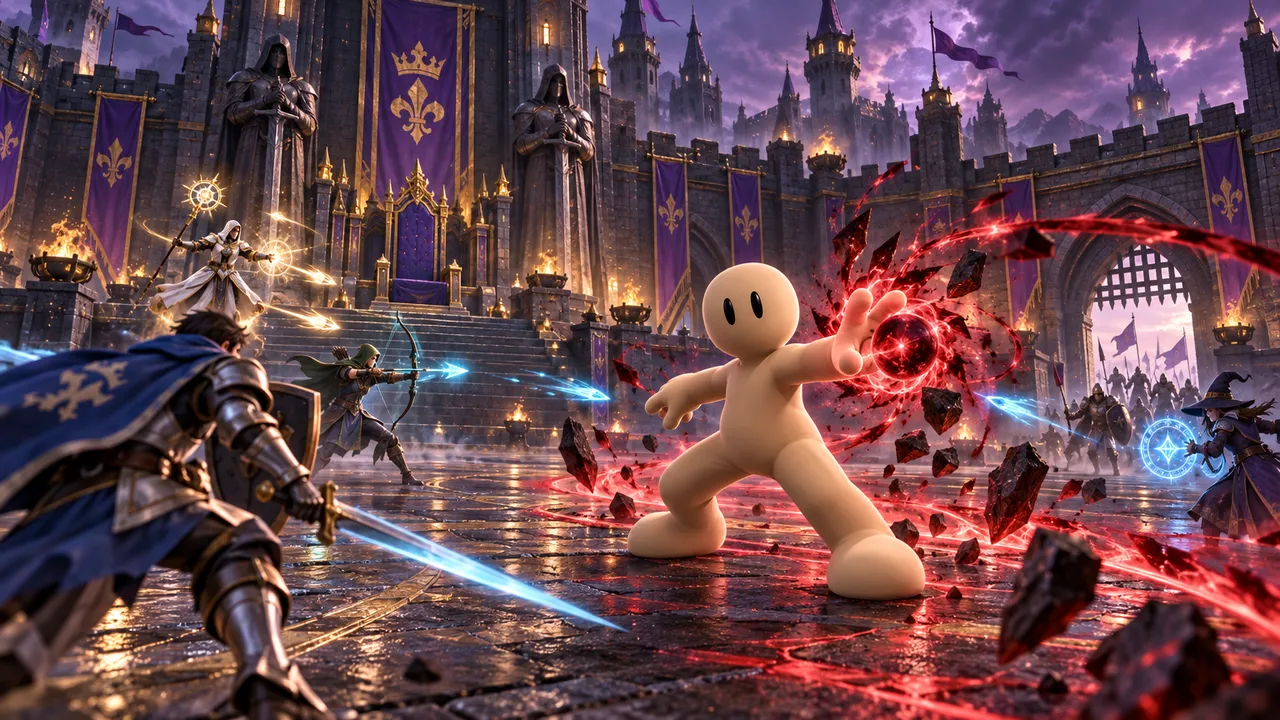
Defend your throne against heroes who learn your habits. Bank coins, upgrade and face the next siege.
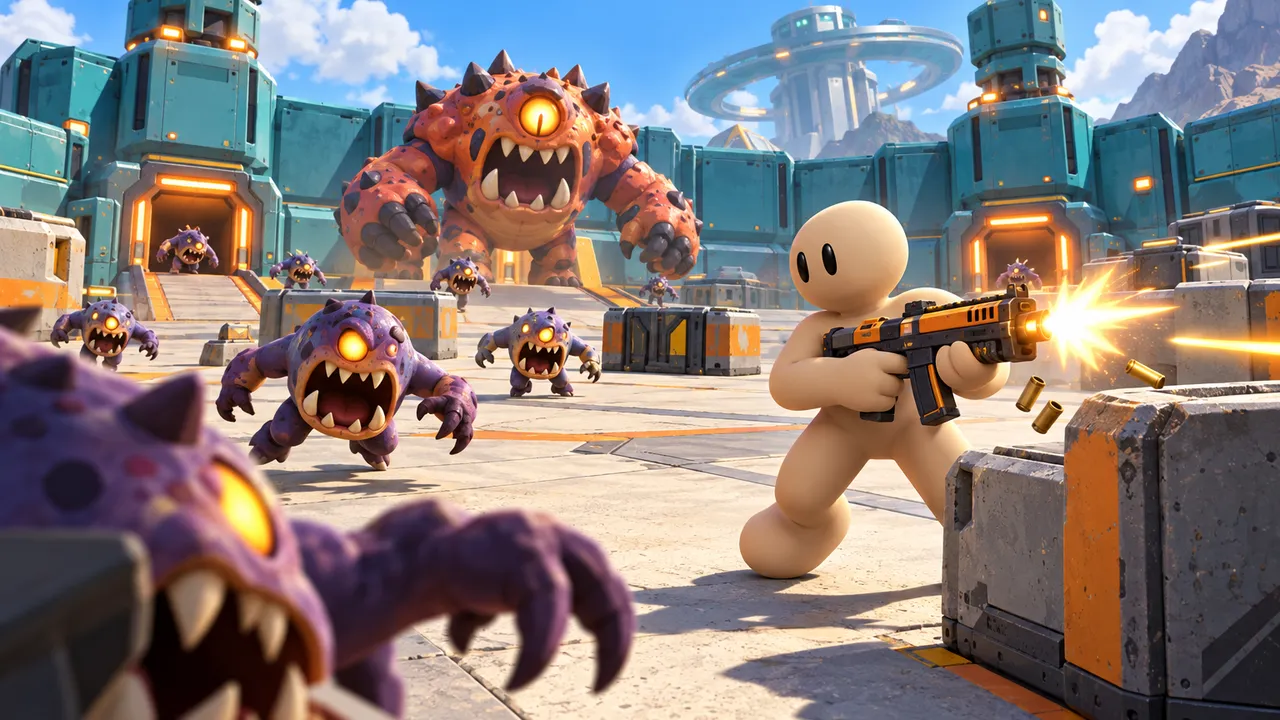
Fight two waves of monsters, upgrade your gun between them and take down a giant boss.
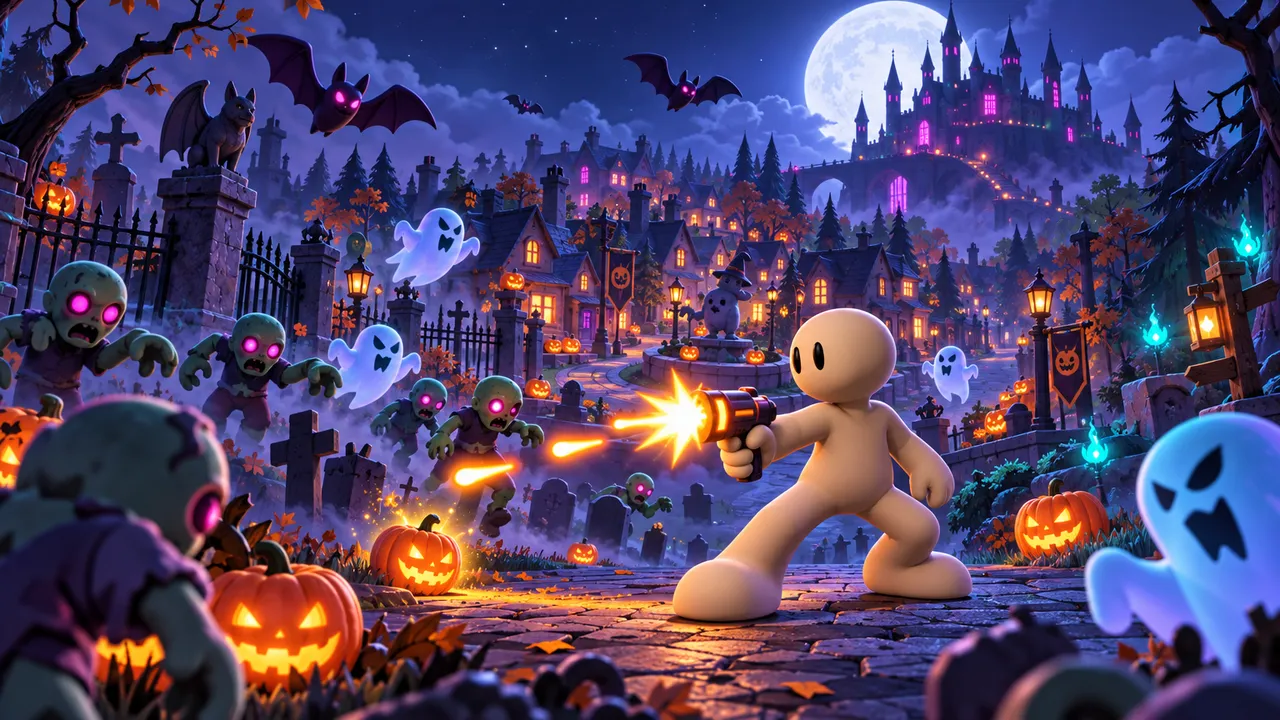
Cast spells at haunted hordes, chain combos, collect pumpkins and face the Pumpkin King.
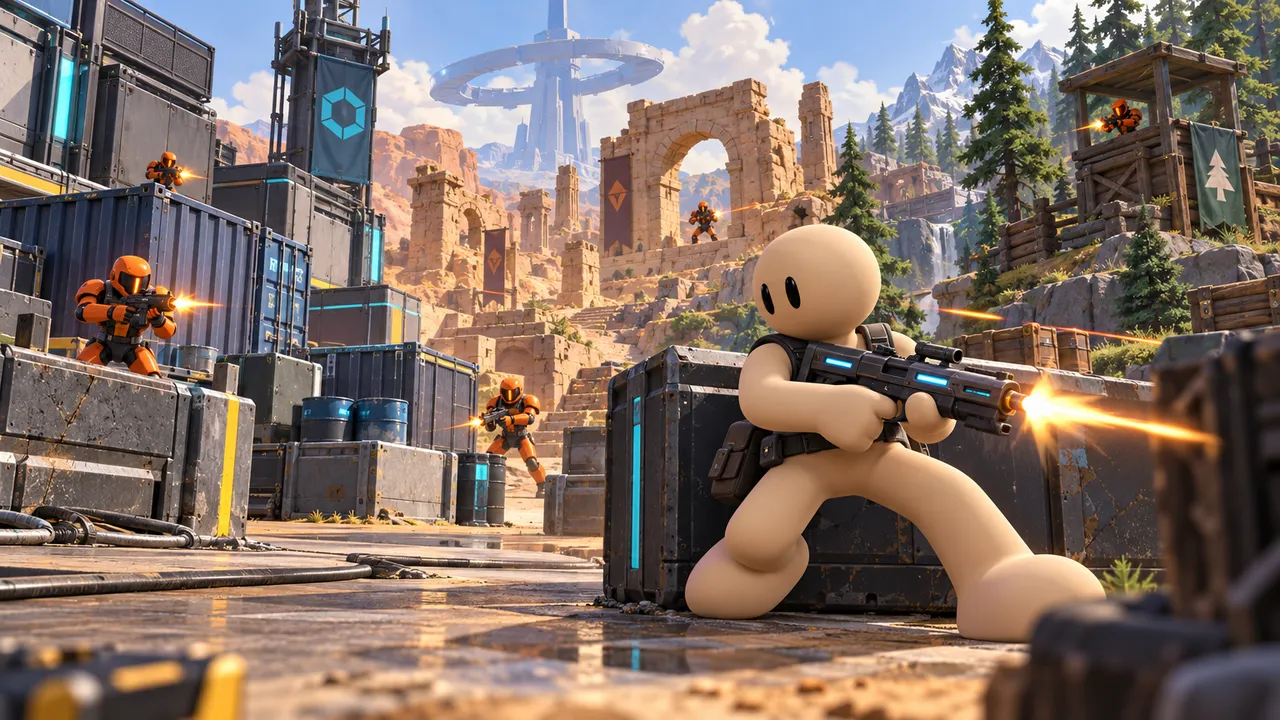
Clear three arenas of roaming enemies, level up and spend your coins on stronger weapons.
Common mistakes to avoid
The most common reasons first RPGs never get finished or played.
Too big a world
Ten towns and fifty quests. Start with one village and one dungeon.
Enemies you cannot beat
If hits do not register, combat breaks the whole game.
No sense of progress
If the player is not stronger at the end, why play?
Unclear quests
Always show what to do next and where to go.
Start your adventure today
Describe it on Arcade and build it right in your browser. No coding, no downloads, free.
Make your RPGFAQ
Can I make an RPG without coding?
Yes. On Arcade you describe your world, characters and quests to Morph, Arcade's building assistant, then shape them visually: move objects, add NPCs, set the rules. No code needed.
Is Arcade free?
Yes. Arcade is free: build, publish and share your games in your browser, on a computer or a phone.
How long does it take to make an RPG?
A small RPG with one village, one dungeon and a boss can be playable in a few sessions. Bigger worlds come later, once the core works and people enjoy it.
What is the most important part of an RPG?
Progression: the feeling of getting stronger. Make sure each quest rewards the player with something they can feel right away, like more health, a new skill or better gear.
How many quests should my first RPG have?
Three to five main quests that lead to the final boss, plus one or two optional ones. That is enough for 15 to 30 minutes of play.
Can I make a multiplayer RPG?
Yes, Arcade supports multiplayer games. For a first RPG, start with one player and add co-op later, once combat and quests feel good. Our guide on how to make a multiplayer game explains how to plan it.
Can other people play my RPG?
Yes. Publish it on the Arcade marketplace, where players find it, play it in their browser and rate it. Share the link with friends too. Arcade also runs regular contests and a creator pool based on plays.