 ARCADE
Game design document template
A game design document (GDD) is the plan for your game: what it is, how it plays and what the first version needs. Fill in the 16 fields below and your one-page GDD builds itself as you type. Copy it, download it, or grab the blank template for Google Docs or Notion.
One or two sentences per field is plenty. Skip what you do not know yet. Your answers are saved in this browser only, so you can come back later.
Your one-page GDD
What is a game design document?
A game design document, or GDD, describes a game before and while it is made. Big studios write GDDs of a hundred pages, with chapters for art, sound, levels and code. For a solo creator or a small team, that is far too much. You need one page that answers the questions you keep asking yourself while you build: what is this game, who is it for, what does the player do every ten seconds, and what is the smallest version worth playing?
That is what this template gives you: 16 fields in four groups, about twenty minutes of work.
The 16 sections, explained
| Section | The question it answers | Tip |
|---|---|---|
| Title | What do we call it? | A working title is fine. Change it at the end. |
| One-line pitch | What is the game in one sentence? | If you cannot say it in one line, the idea is not clear yet. |
| Genre | What will players compare it to? | Two words max: "cozy tycoon", "horror escape". |
| Audience | Who is it for? | Age, taste and how long they play in one go. |
| Where people play | Phone, computer or both? | A phone game needs big buttons and short sessions. |
| Player goal | What is the player chasing? | Make it something you can show on screen. |
| Core loop | What does the player do again and again? | Write it as a chain of verbs: collect, build, sell, upgrade. |
| Controls | Which keys or buttons? | Fewer is better. Check it works with thumbs on a phone. |
| Win and lose | How does a run or a level end? | Say what happens after a loss: retry, checkpoint or start over. |
| Progression | What changes as you play? | New things to unlock, and a challenge that grows with the player. |
| World and levels | Where does it happen? | List places, not details. Three places is a lot. |
| Characters | Who do you play and who do you meet? | Give each one a job in the game, not just a look. |
| Look, sound and mood | How should it feel? | Name a mood and a few colors, plus the one sound players will hear most. |
| Solo or multiplayer | Who plays together? | Decide early: it changes the whole design. |
| First version | What is the smallest fun game? | The most important field. Cut until it hurts. |
| Not in the first version | What are you saving for later? | Writing ideas down here stops them from sneaking into version one. |
The three fields that matter most
Core loop
The loop is what the player repeats hundreds of times, and it decides whether your game is fun. A good loop is short, ends with a reward and feeds into itself. In a tycoon you earn, upgrade and earn faster. In a horror maze you explore, find a key, hide and explore a new area. Our guide to game mechanics has ideas for the verbs in your loop.
Win and lose
Many first games have no clear ending, so players drift away without knowing if they did well. Write down the exact moment a level is won ("reach 500 coins before the day ends") and the exact moment it is lost. If you cannot, the goal is still too vague.
First version, and what is not in it
Every game starts too big. The first-version field forces you to pick the smallest playable game, and the "not in the first version" field gives your other ideas a safe place to wait. Build the small one, test it, then pull ideas from the waiting list one at a time.
Example: a one-page GDD for a cozy clicker
Here is how a short GDD could look for a game like Hamster Clicker, a cozy clicker made on Arcade where you tap a hamster for sunflower seeds, buy upgrades and unlock a golden home. Notice how short each answer is.
Pitch
Tap your hamster for sunflower seeds and spend them on upgrades until it lives in a golden home.
Core loop
Tap, earn seeds, buy an upgrade, earn seeds faster, aim for the next big unlock.
Win and lose
Win by unlocking the golden home. No way to lose: it is a relaxing game.
First version
One hamster, a seed counter, six upgrades with rising prices, one final unlock.
Not in the first version
Extra hamsters, hats, seasonal events, a leaderboard.
Where people play
Mostly phones, in short breaks. Big tap area in the middle of the screen.
That is enough to build and test. Art details and extra content can come once the first version is fun.
How long should your GDD be?
One page
Solo creators, game jams, first games. Written in an evening, read in two minutes.
A few pages
Small teams. Add a page per level and a list of every item and enemy.
A full document
Studios with artists, coders and producers who all need the same reference.
Always up to date
Whatever the size, update it when the game changes. An outdated GDD is worse than none.
From the document to a playable game
A plan only proves itself once someone plays it. Your one-page GDD also happens to be a great brief for Morph, the AI you build games with on Arcade. Share your pitch, core loop and first version with Morph, then test your design for real in the browser. When something feels off, say so in the chat: "make the upgrades cheaper", "add a second island", "the day is too long, make it two minutes". Keep your GDD open while you do it, and move ideas out of the "later" list as the game grows.
Games made on Arcade that started as a simple plan
Each one has a clear goal and a short loop. Try a couple and guess what their one-page GDD said.
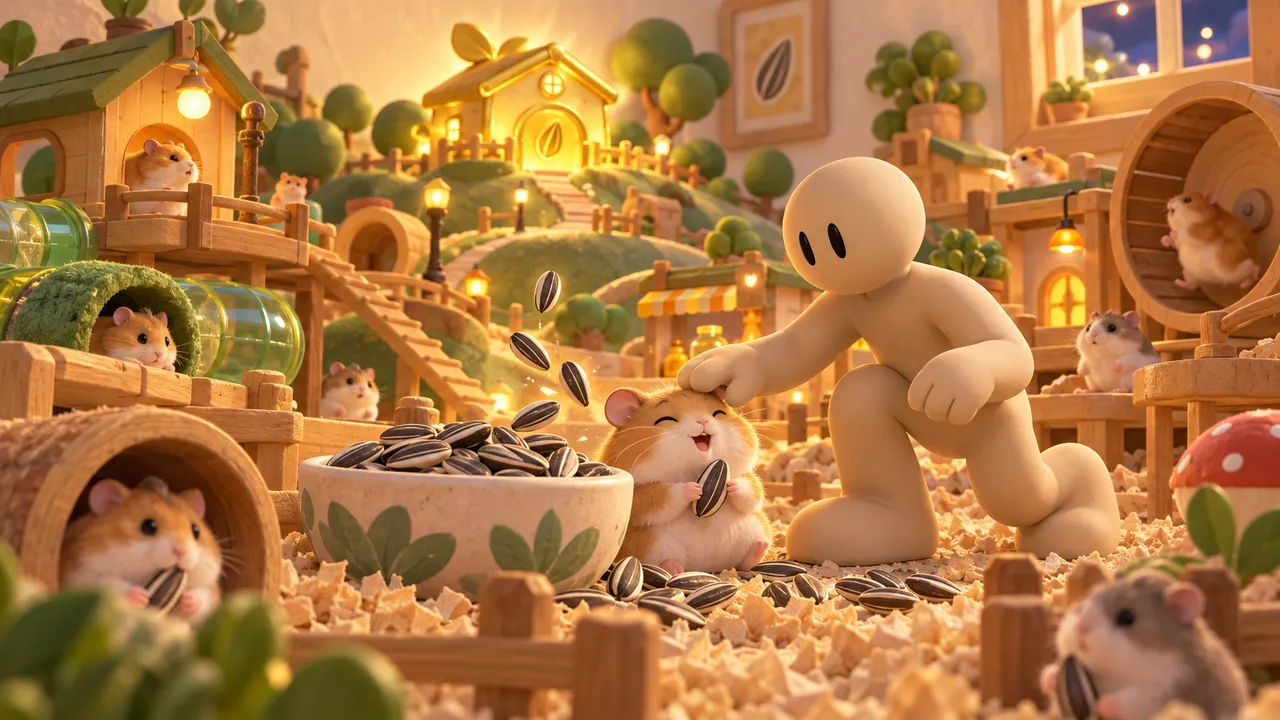
Tap your hamster for sunflower seeds, buy tasty upgrades, and unlock a golden home. A cozy clicker with a cheerful little companion.
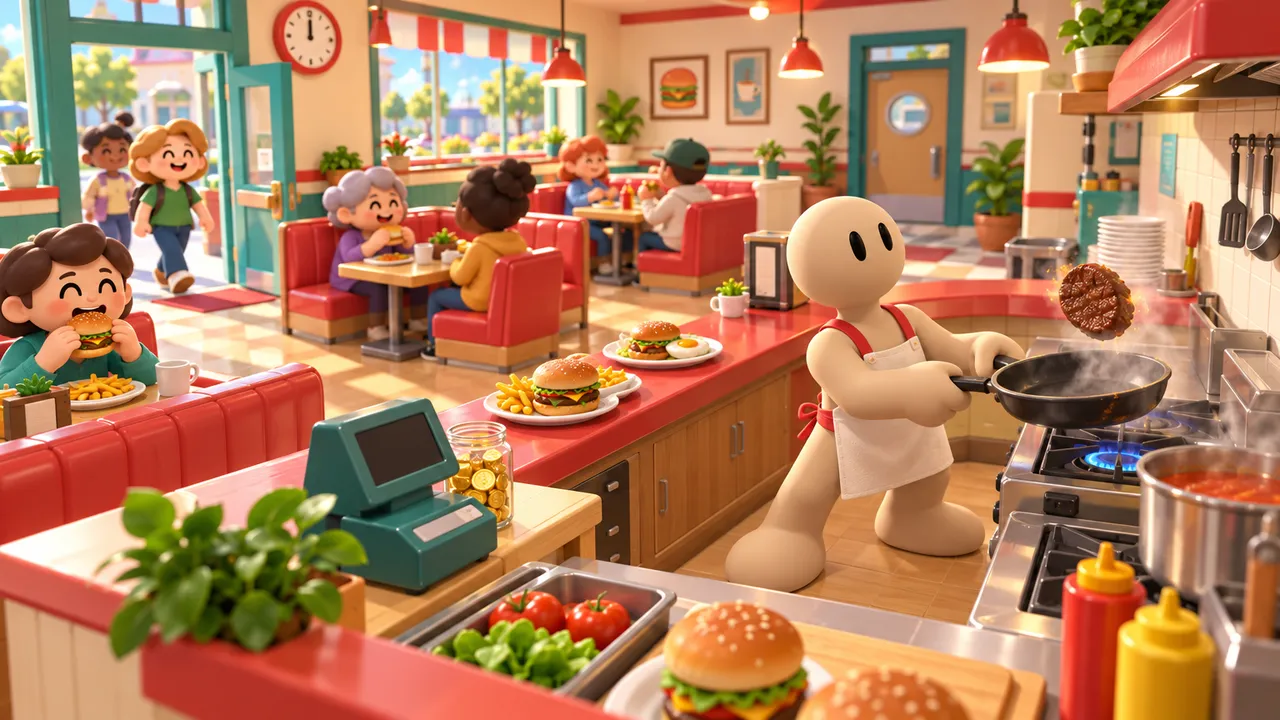
Run a cozy diner, cook meals for hungry customers and spend your earnings on upgrades before closing time.
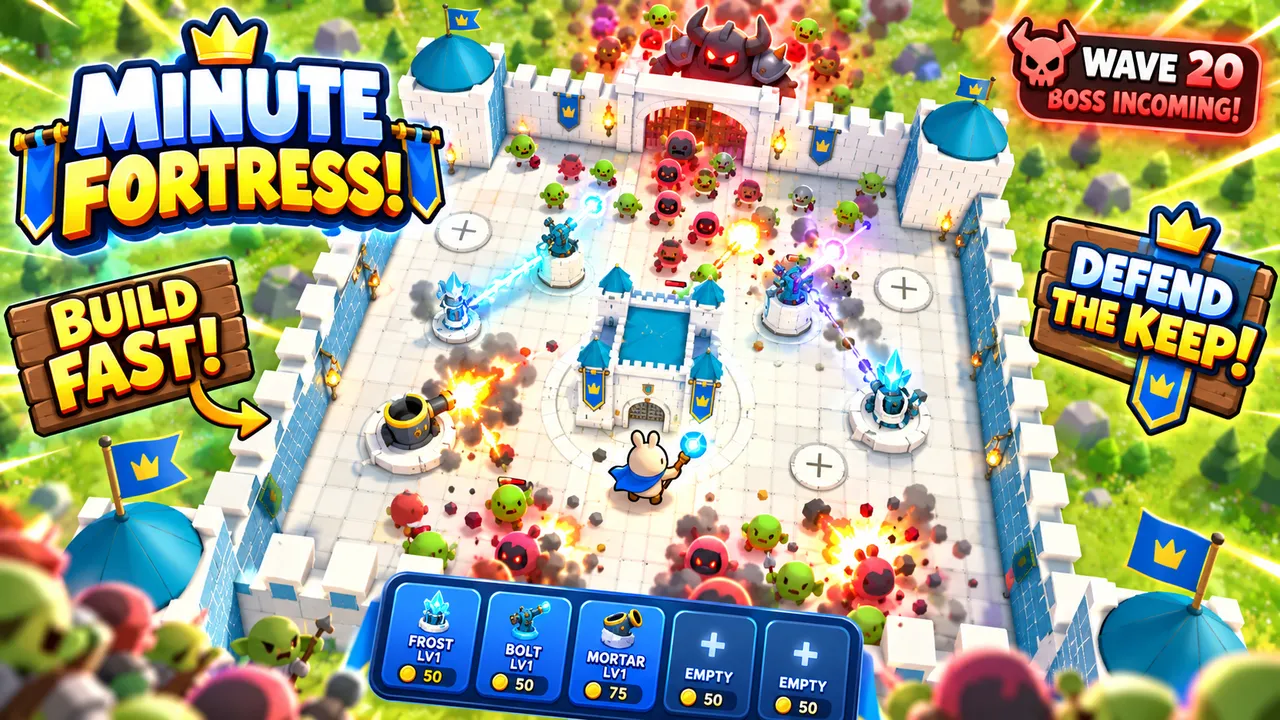
Build towers fast and defend your keep against waves of monsters, all the way to the boss wave.
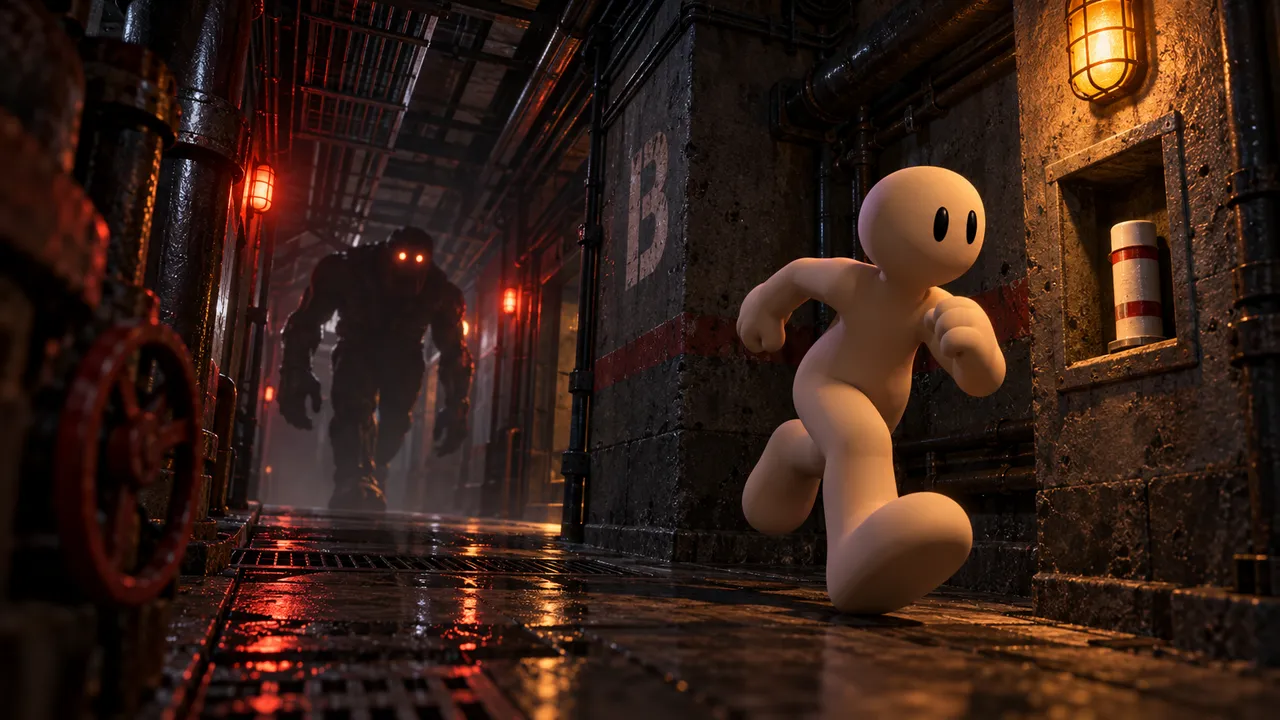
Run from the monster, collect fuses and escape the deadly maze.
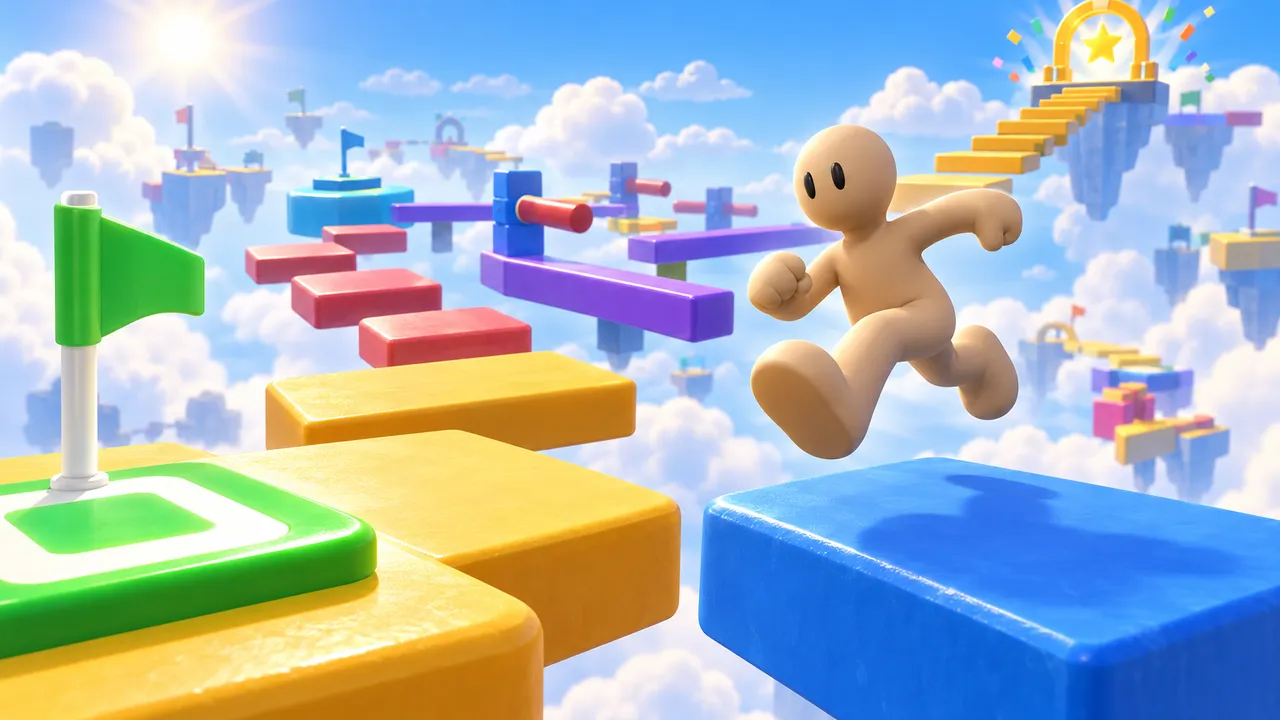
Leap across a colorful sky course, master narrow beams and stepping stones, and reach the finish. Checkpoints keep every fall a chance to try again.
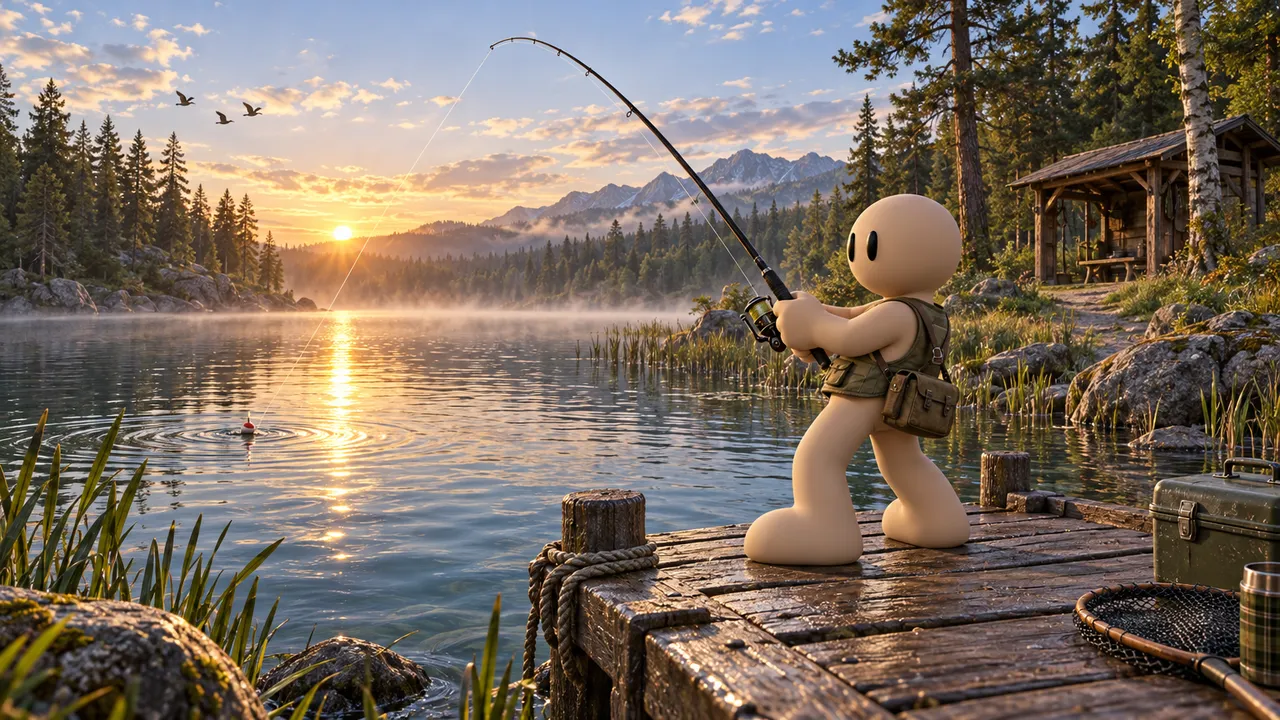
Cast into a dawn-lit forest lake, watch for a bite, and balance line tension to land your catch before the outing ends.
Turn your GDD into a game
Bring your one-page plan to Morph and build the first version in your browser. Then test, adjust and share it with the world. Free, and it all runs in your browser.
Build my gameFAQ
What should a game design document include?
At least a pitch, the player goal, the core loop, the controls, how you win and lose, and what the first version contains. For a fuller one-page plan, add the audience, the platform, progression, the world, the characters, the mood, solo or multiplayer, and what you are saving for later. This template covers all 16.
How long should a GDD be?
As short as possible. For a solo or small project, one page is enough to start. Add pages only when someone on the team needs more detail to do their job.
Is this game design document template free?
Yes. Fill it in, copy it or download it as many times as you like. Your answers are only stored in your own browser and never sent anywhere.
Can I use it in Google Docs or Notion?
Yes. Click "Copy the blank template" and paste it into a new doc, or fill it in here and download the Markdown file. Notion and most notes apps read Markdown headings directly.
Do I need a GDD for a game jam?
A one-page GDD is perfect for a jam. It keeps the team on the same idea and makes it easy to cut features when time runs out. The "not in the first version" field is your cut list.
Can I build my game from my GDD without coding?
Yes. On Arcade you share your plan with Morph and build the game in your browser. Start with the pitch, the core loop and the first version, then add the rest step by step.