 ARCADE
How to make a platformer game
Run, jump, land, repeat. Platformers are simple to understand and endlessly fun, which makes them the perfect first game to build.
A platformer is any game where the main challenge is moving and jumping across platforms: classic side-scrollers, sky-high obbies, lava courses and parkour towers. The rules fit in one sentence, which is why platformers are a great first project.
But simple does not mean easy to get right. The difference between a frustrating platformer and a fun one is in the details: how the jump feels, where the checkpoints are, how fast the difficulty rises. This guide covers all of it, and shows you how to build yours on Arcade without writing code.
What makes a great platformer game
The platformers people finish and replay nail these four things.
🦘 Jumps that feel good
Responsive, predictable movement. Players should blame themselves, never the controls.
📈 A smooth difficulty curve
Easy jumps first, tricky ones later, with a short break after each hard part.
🚩 Fair checkpoints
Falling should cost seconds, not minutes.
🎯 A visible goal
A tower top, a portal or a trophy the player can see from the start.
How to make a platformer game, step by step
Here is how to build a platformer that people finish and replay.
Choose a theme
Sky, candy, lava, kitchen.
Get movement right first
Run and jump before anything else.
Design the first level
Teach one thing at a time.
Add checkpoints and a timer
Fair failure, a reason to replay.
Raise the difficulty
A new twist in each section.
Playtest and tune
Watch where people fall.
1. Choose a theme
The theme decides how your platforms look and what can go wrong: lava below, wind pushing you, slippery ice, a sink full of bubbles. Pick one theme and keep it consistent, so every obstacle feels like it belongs.
A fun theme also helps your game stand out on the marketplace. "Obby in the sky" is everywhere; "tiny chef jumping across a giant kitchen" is remembered.
2. Get movement right first
Build a small test area and jump around until it feels good. Can you judge where you will land? Does the character stop when you let go? If movement is frustrating in an empty room, it will be worse in a hard level.
On Arcade you can describe the feel you want to Morph, Arcade's building assistant: "make the jump a bit higher" or "make the player run faster", then test again right away.
3. Design the first level
Introduce each obstacle alone before combining them: first a simple gap, then a moving platform, then a moving platform over a gap. Players learn by doing, so the level itself is the tutorial.
Make the first 30 seconds easy on purpose. A player who succeeds early keeps going; a player who falls five times on the first jump leaves.
4. Add checkpoints and a timer
Place a checkpoint after every hard section, and make it visible: a flag, a glowing pad, a sound. Players take more risks when they know a fall will not send them back to the start.
Add a timer or collectibles so good players have a reason to go faster or explore. A best time on screen turns a 3-minute level into something people replay ten times.
5. Raise the difficulty
Disappearing blocks, rotating platforms, speed pads, rising lava, wind, conveyor belts. Each new section should add one new twist, never three at once.
Follow the rhythm hard, easy, harder: after a tough section, give the player a few calm jumps to breathe before the next challenge.
6. Playtest and tune
Watch a friend play without helping. If everyone fails the same jump, make it a bit easier or move the checkpoint closer. If nobody struggles anywhere, add a challenge.
Test on a phone too. Arcade games have touch controls, so make sure the tricky jumps are still possible with thumbs.
Platformer obstacles to use
A good platformer reuses a handful of obstacles in new ways. Here are the classics, and how to use each one well:
| Obstacle | What it tests | Tip |
|---|---|---|
| Gaps | Timing and distance | Start short, then widen them slowly. |
| Moving platforms | Patience | Show the full path so players can plan the jump. |
| Disappearing blocks | Speed | Make them blink before they vanish. |
| Spinning bars | Rhythm | Keep the speed constant so players can learn it. |
| Bouncy pads | Control in the air | Use them to reach shortcuts and secrets. |
| Rising lava or water | Pressure | Rise slowly at first, faster near the top. |
Start with a ready-made idea
Not sure how to begin? Here is a starting idea for a platformer. Not your style? Roll another one. Copy it, paste it in Arcade and you will have a first playable version to shape. Then change the details to make it truly yours.
Make a platformer game called "Lava Tower". The player climbs a tall tower while lava slowly rises from below. Add 4 sections that get harder: simple jumps, moving platforms, disappearing blocks, then a final climb with speed pads. Put a checkpoint at the start of each section and show a timer. When the game starts, show the goal and the controls in large text.
Paste it and build on ArcadePlatformer game ideas to start from
- Rising Water: Climb a flooded lighthouse before the water catches you.
- Tiny in the Kitchen: Jump across a giant kitchen as a tiny chef.
- Gravity Flip Tower: Flip gravity to walk on ceilings and dodge lasers.
- Rainbow Climb: Climb a rainbow before it fades at sunset.
- Speedrun City: Race your own best time across night rooftops.
- Jungle Ruins: Swing on vines and escape a collapsing temple.
Want more? The game idea generator writes a full concept and prompt in one click.
Platformer games made on Arcade
Made by creators like you. Click one to play it free in your browser.
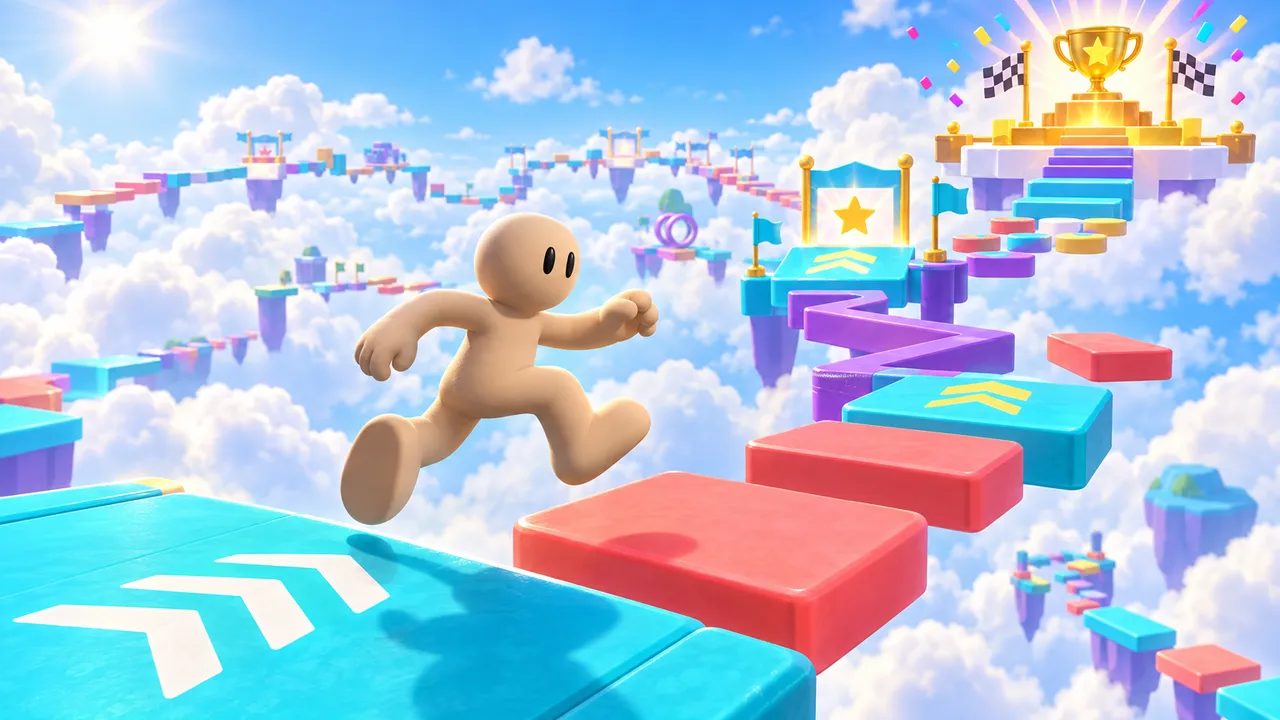
Jump through colorful obstacle courses, reach checkpoints and collect wins. Earn 10 wins to unlock a golden VIP glow and badge.
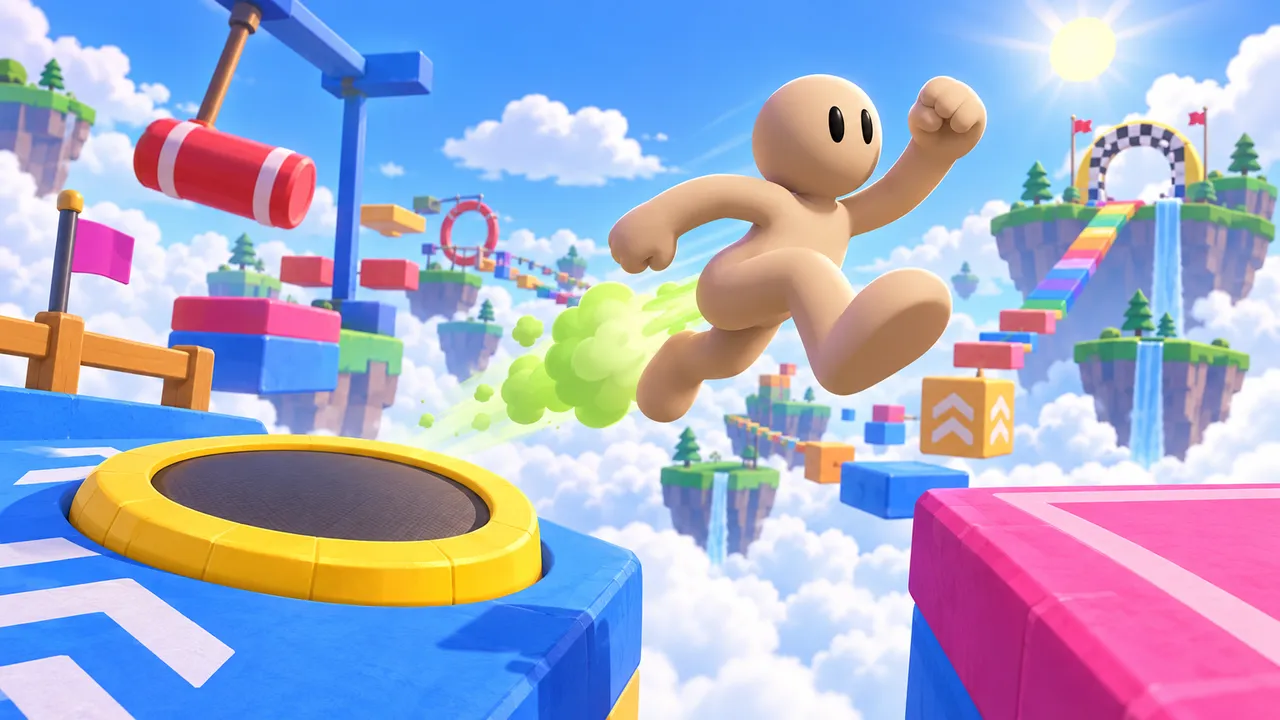
Fart-boost your way across a sky obstacle course of trampolines, swinging hammers and floating islands to the finish.
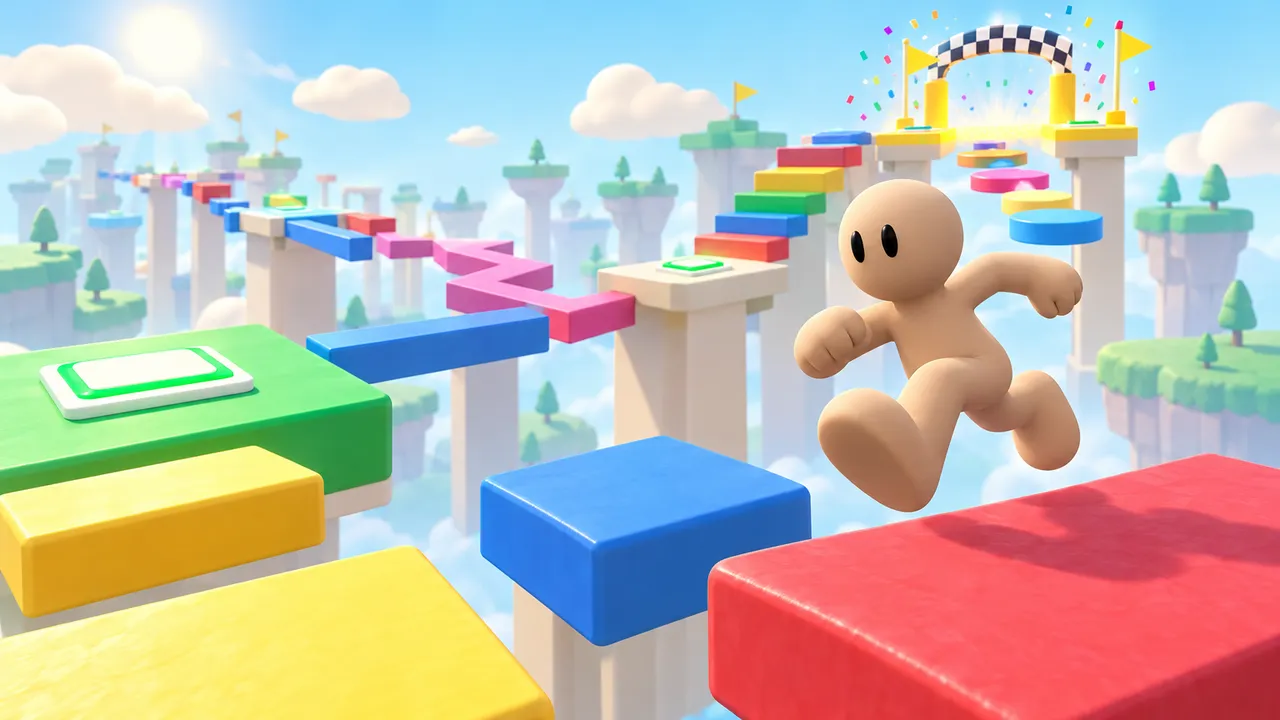
Leap across a floating obstacle course, hit the checkpoints and race your own best time.
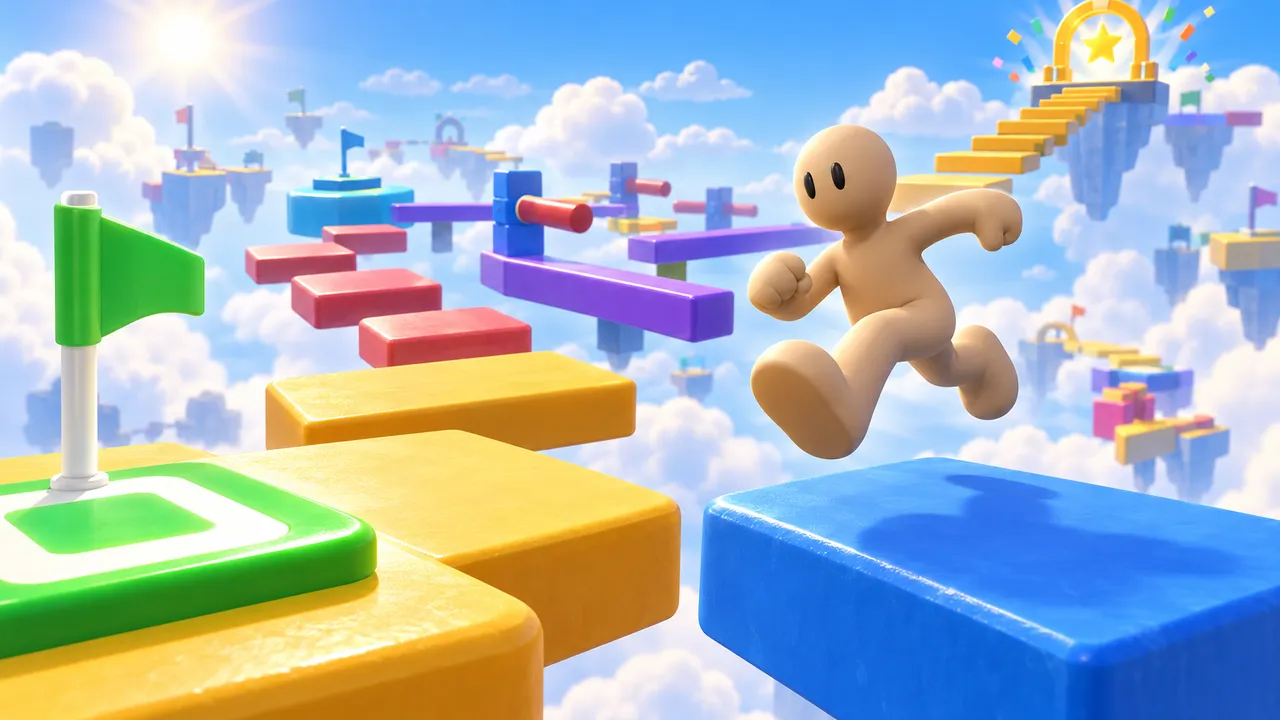
Leap across a colorful sky course, master narrow beams and stepping stones, and reach the finish. Checkpoints keep every fall a chance to try again.
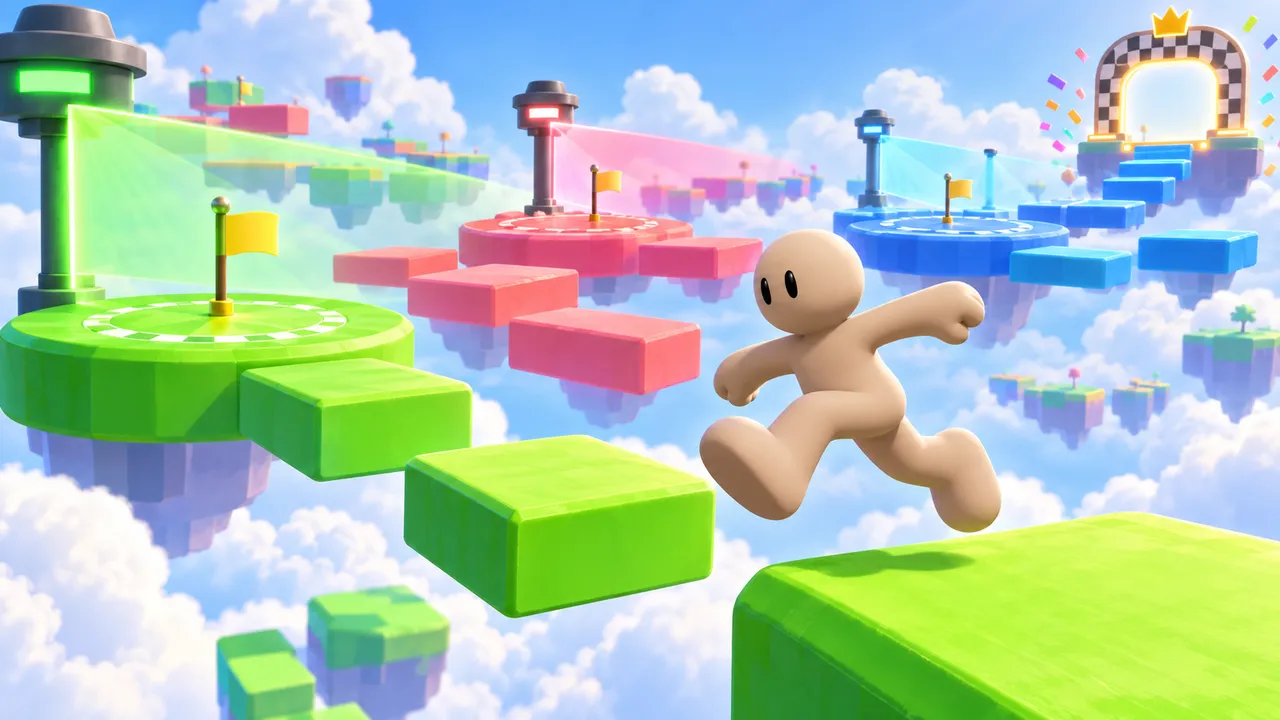
A sky obby with a twist: repaint yourself to hide from scanner sweeps before you reach the finish.
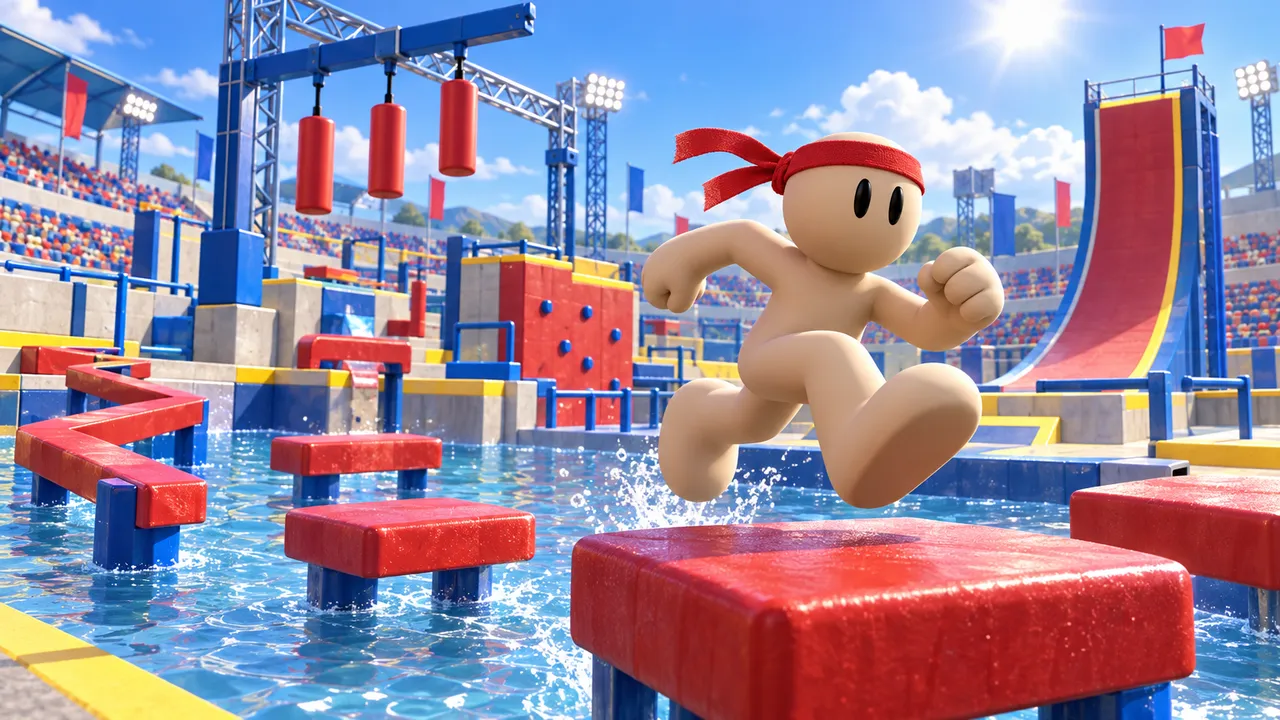
Run, jump, balance and climb through a stadium obstacle course. Reach the summit before time runs out, but one splash ends your attempt.
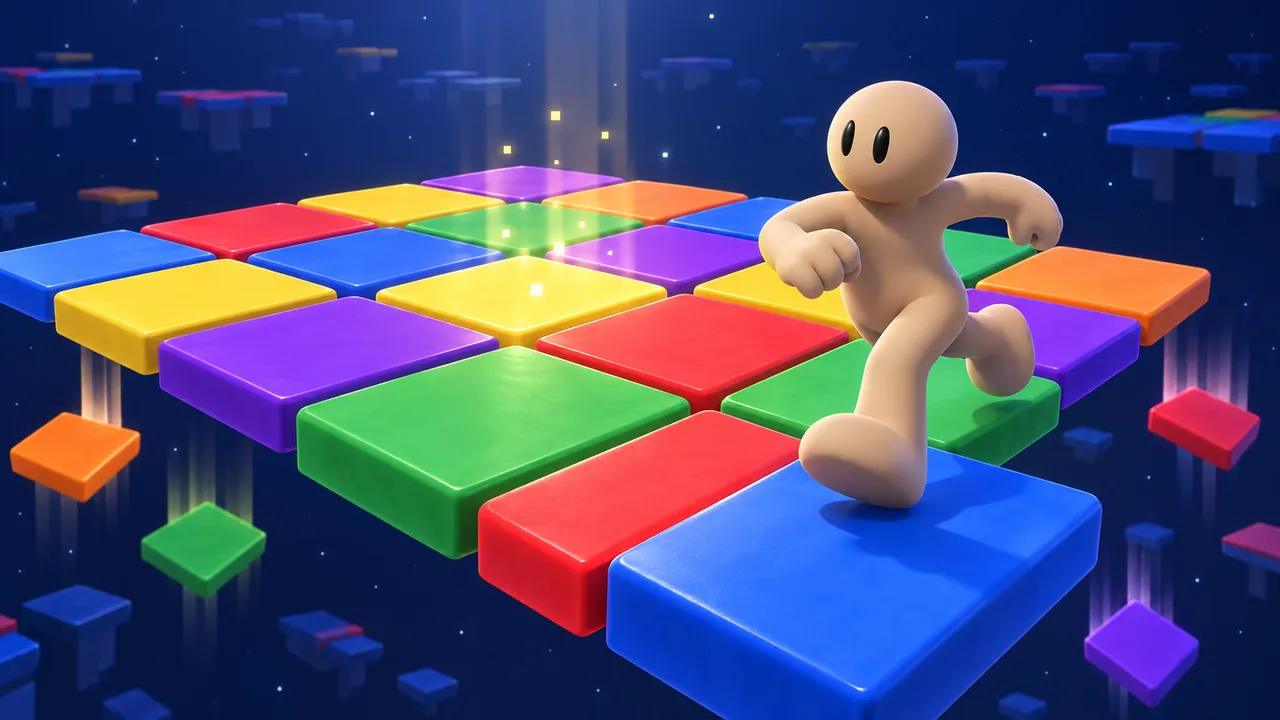
Run to the color shown above before the other tiles vanish. Survive ten faster and faster rounds.
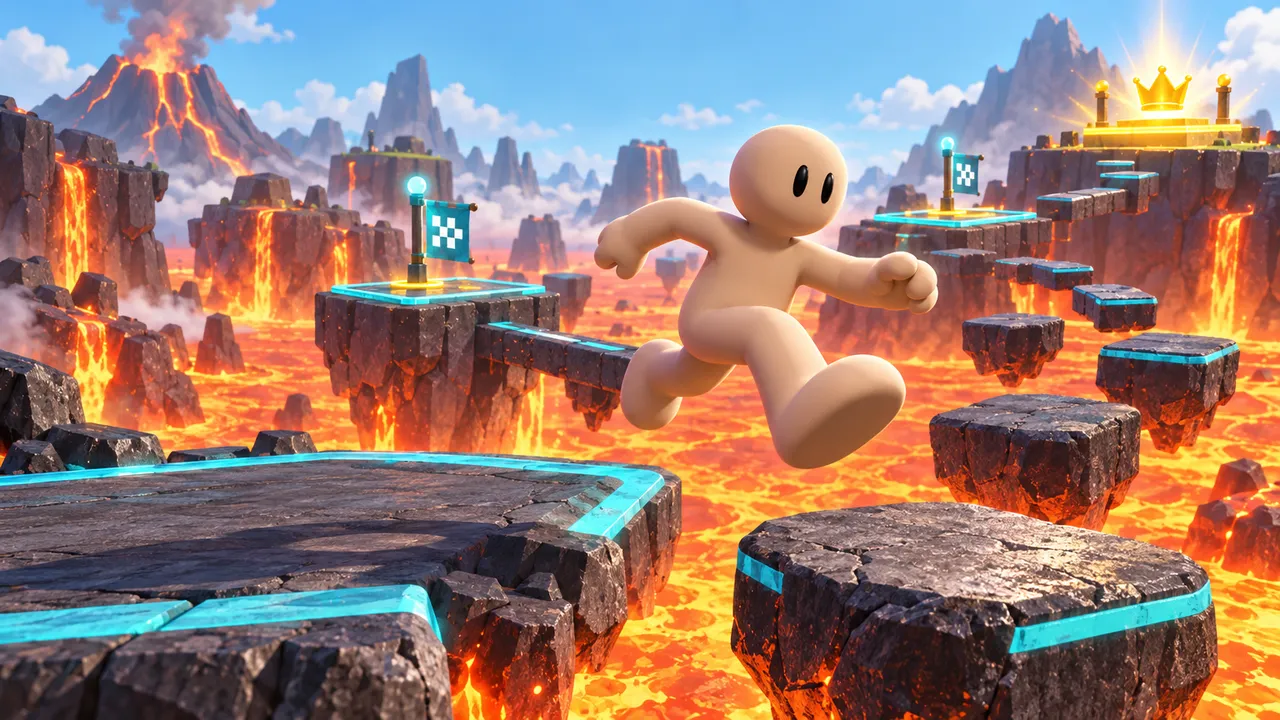
Leap across platforms and narrow beams above glowing lava. Reach checkpoints, recover from falls, and make it to the finish.
Common mistakes to avoid
Why players quit platformers.
Floaty or slippery jumps
If players cannot predict where they land, they get frustrated.
No checkpoints
Restarting the whole level after one fall makes people quit.
Hard from the start
The first jumps should be almost impossible to miss.
Falling forever
Make sure players cannot fall off the map and get stuck.
Build your first platformer
Describe it on Arcade and build it right in your browser. No coding, no downloads, free.
Make your platformerFAQ
Do I need to know how to code to make a platformer?
No. On Arcade you describe your game to Morph, Arcade's building assistant, and shape the level visually: place platforms, move obstacles, set checkpoints. No code at all.
Is Arcade free?
Yes. Arcade is free: build, publish and share your games in your browser, on a computer or a phone.
What is the difference between a platformer and an obby?
An obby is a type of platformer focused on obstacle courses. Both are about jumping across platforms; obbies usually have checkpoints, a timer and a finish line. Our obby maker guide goes deeper.
How long should a platformer level be?
For a first game, 2 to 5 minutes for a good player, split into 3 or 4 sections with a checkpoint each. Short levels get finished and replayed.
How do I make my platformer harder?
Add one new twist per section: moving platforms, disappearing blocks, rising lava, wind or speed pads. Shrink the platforms and widen the gaps only after the player has learned the basics.
Can people play my platformer on their phone?
Yes. Arcade games run in the phone's browser with touch controls, so anyone can play from a link. Test your hardest jumps with thumbs before you publish.
Can I make a multiplayer platformer?
Yes. Arcade supports multiplayer games, so friends can race each other to the finish or compete to collect items first. Our guide on how to make a multiplayer game shows how to plan it.